
Korean Matcha vs Japanese Matcha: Key Differences
Matcha is a type of green tea that has gained popularity in recent times due to its unique taste and potential health benefits. While Japanese matcha is widely known and consumed, Korean matcha is also gaining attention. In this blog post, we will explore the differences between Korean matcha and Japanese matcha, their health benefits, and how to prepare them.
In Zürich · 5 Senses of Matcha
Reading about the difference is one thing. Tasting it is another.
Five ceremonial matchas, side by side, guided by Certified Tea Sommelier Shane Kim. One hour · from CHF 70 · free cancellation up to 48 hours.
See dates & details →Cultivation and Harvesting:
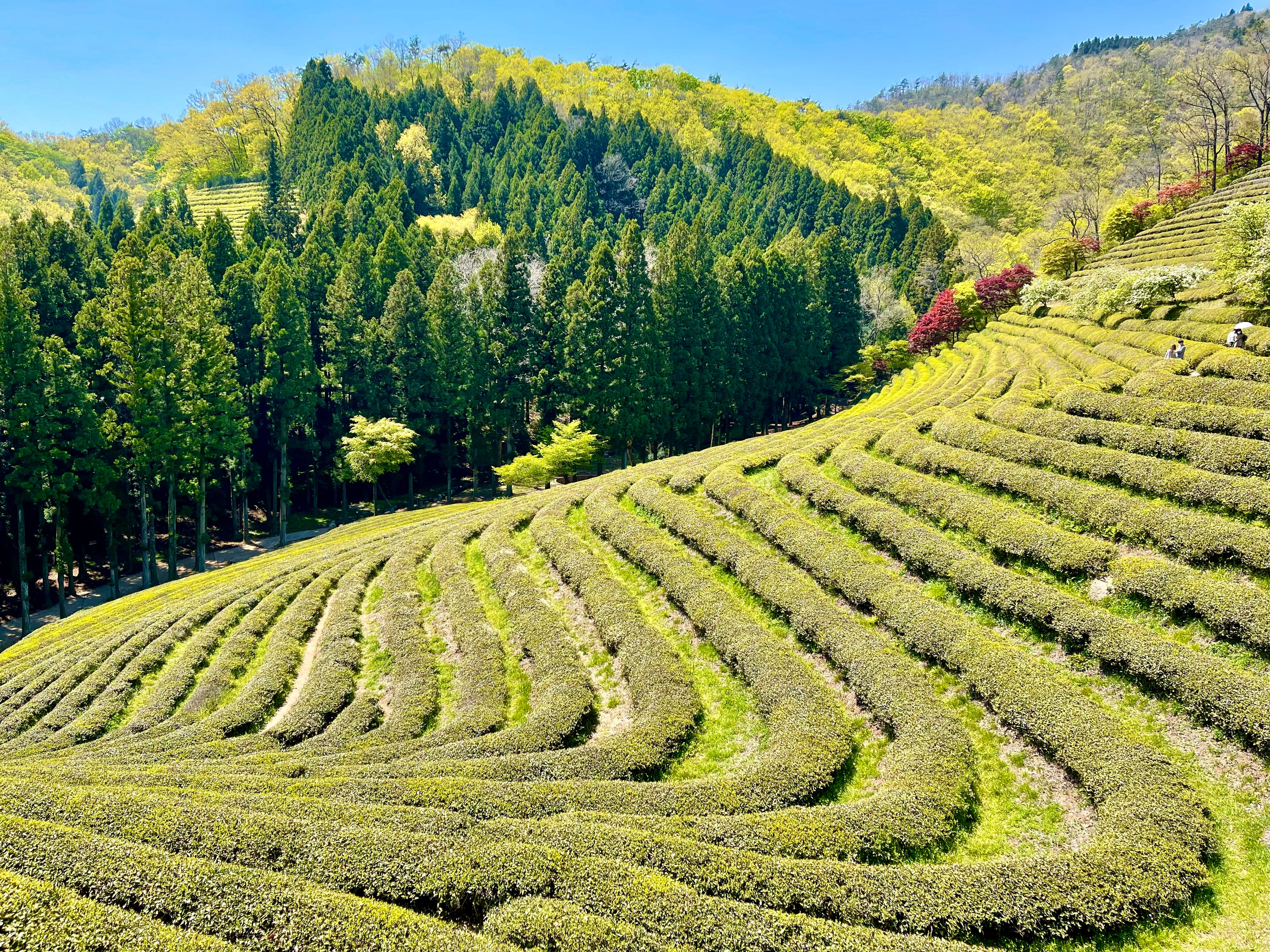
Korean and Japanese matcha are both finely milled green-tea powders, but their growing and processing choices differ by producer. Traditional Japanese matcha is commonly made from tencha: shade-grown leaves that are steamed and dried without rolling before milling. Korean powdered green tea may be produced from differently processed green leaves, including pan-fired material. The leaf is processed and dried before milling; the powder is later whisked into water, not boiled during manufacture. Shade management, leaf selection and milling vary by farm and grade, so an absolute two-week-versus-four-week rule is misleading. See our matcha sourcing framework for the production steps.
Pan-firing can contribute to the nutty, toasted and floral impressions associated with some Korean powdered teas; Japanese steamed tencha can emphasize vegetal, umami-rich or marine notes. Neither aroma profile describes every tea from a country. Stone milling is also widely used in Japan; mechanical milling methods occur in both markets. Cultivar, leaf handling, particle size, storage and batch-specific testing are more useful buying criteria than claims that one nation uses a uniquely advanced process. Ask the producer for the processing specification and sensory evidence for the exact lot.
Of course, the physical attributes of the Matcha are only part of what makes it special and unique. By infusing tea-making with the traditions, culture, and values of Korean heritage, the Matcha produced in Korea has a unique spiritual essence that can’t be found anywhere else. This essence represents the decades of dedication and respect that Korean Matcha farmers have passed down through generations, and is something that should be cherished and appreciated.
Flavor and Texture:
Texture and flavor should be judged tea by tea, not by nationality. Korean pan-fired green-tea powders may show roasted nuts and soft floral aromas, whereas some Japanese steamed-tencha matcha can be grassy, creamy or savory. Harvest, shading, leaf grade, milling fineness and preparation determine bitterness, viscosity and mouthfeel.
Tencha is not a cultivar. It is a processed tea leaf used for Japanese matcha and may be produced from multiple cultivars. Caffeine varies with cultivar, harvest, shade management, leaf material and serving size. It is not accurate to claim that all Japanese matcha contains more caffeine than Korean matcha without comparing tested samples prepared at equivalent doses.
Conclusion:
Korean matcha and Japanese matcha have some differences in cultivation, production techniques, flavor, and texture. However, both types of matcha have potential health benefits and can be enjoyed in a variety of ways. When choosing between Korean matcha and Japanese matcha, it is important to consider your personal preferences and the intended use of the matcha.

Editorial review · October 2026. This article has been corrected to distinguish Japanese tencha from tea cultivars and to avoid unsupported country-wide claims. For further reading see the peer-reviewed review of Japanese green-tea processing and KTeaShop's tea-sourcing framework. Product-specific facts should always be verified against the producer's current lot documentation.
Try It
OSULLOC Organic Matcha
Pure, unsweetened ceremonial grade from Jeju. No additives.
CHF 40
Shop Now →Experience It
5 Senses of Matcha
Taste 5 rare cultivars side by side — guided by a tea sommelier. In Zürich.
CHF 70
Reserve →Korean Tea Newsletter · KTeaShop
Tasting notes from Jeju to Zürich.
10% off your first order.
Monthly sourcing stories, new arrivals, and what to brew next. One email a month.


