


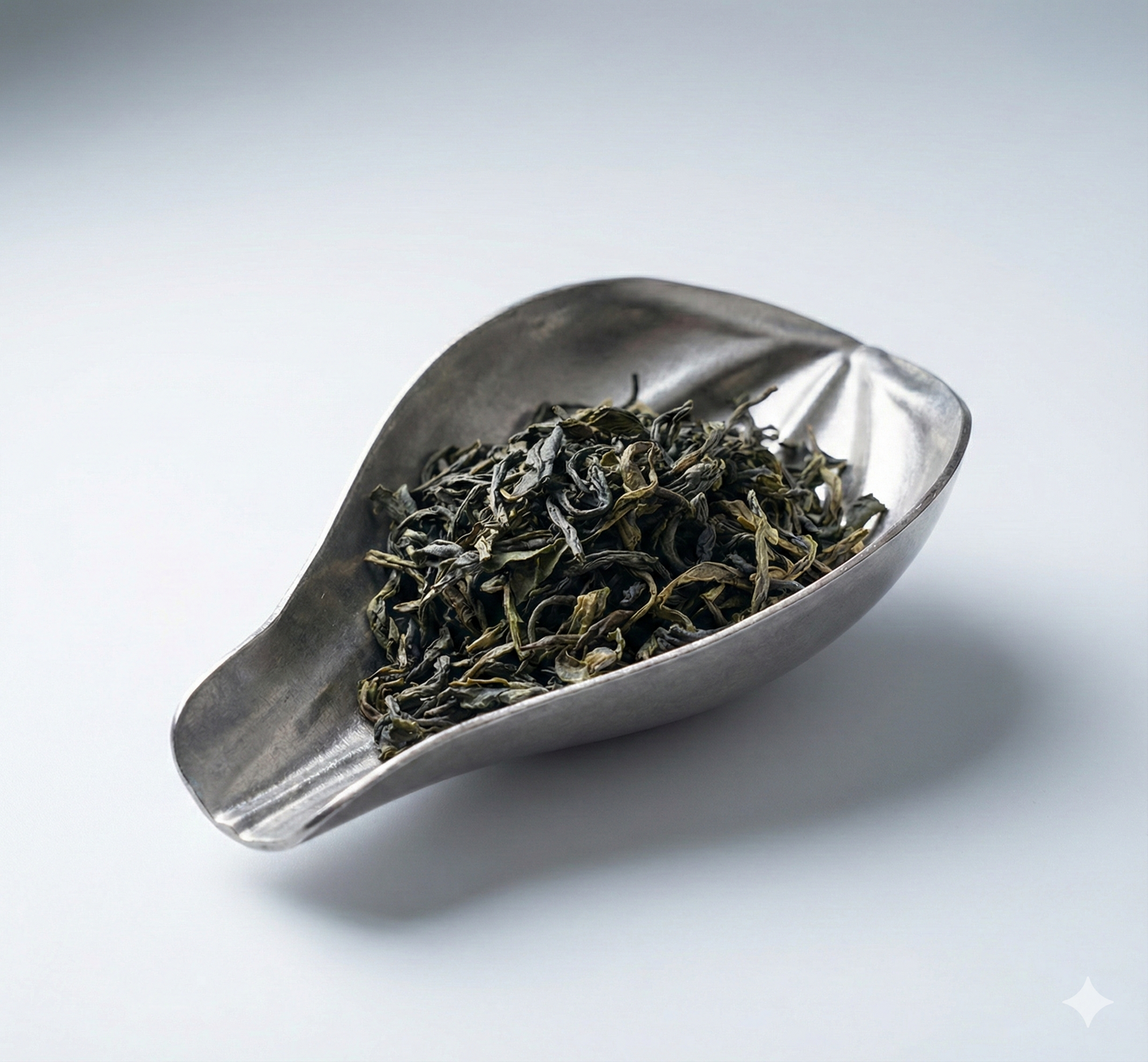

Aroma & Taste Profile
-
Top Notes:
-
Middle Notes:
-
Base Notes:
Blog posts
View all-

Wagashi and Matcha: How Japanese Sweets Create ...
Wagashi and matcha are not simply served together because both are Japanese. Their sweetness, bitterness, texture and visual qualities are designed to create balance.
Wagashi and Matcha: How Japanese Sweets Create ...
Wagashi and matcha are not simply served together because both are Japanese. Their sweetness, bitterness, texture and visual qualities are designed to create balance.
-

Why Wagashi Could Become Your Café’s Next Signa...
Your café may not need another cheesecake. It may need one dessert that customers can recognise, remember and return for.
Why Wagashi Could Become Your Café’s Next Signa...
Your café may not need another cheesecake. It may need one dessert that customers can recognise, remember and return for.

