K-teashop
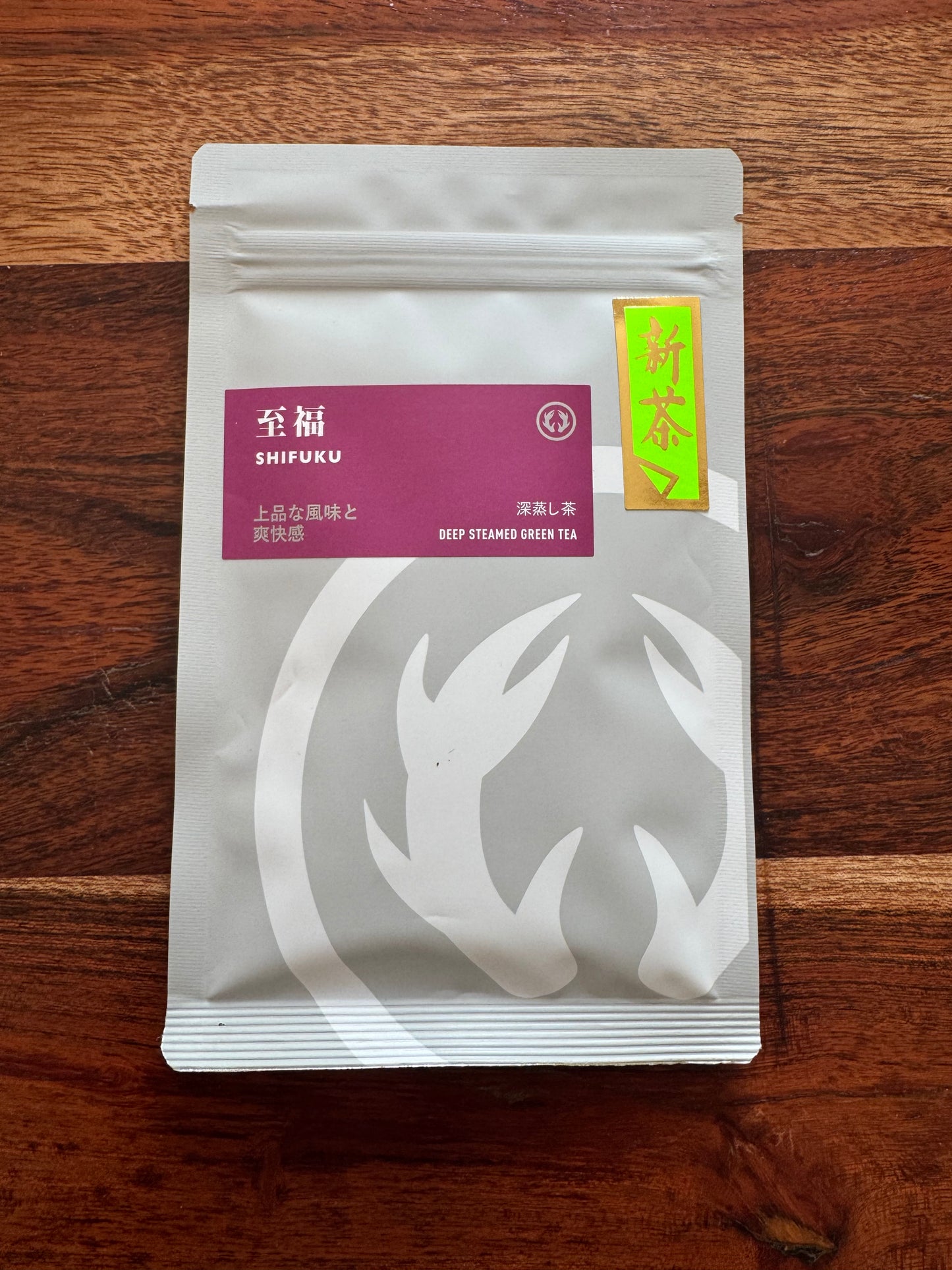
Kanemo Shifuku Shincha — 2025 Spring First Flush | Limited-Stock Shizuoka Sencha
Couldn't load pickup availability
Why You’ll Love It
Why You’ll Love It
Details
Details
Cultivar: Yabukita(やぶきた)
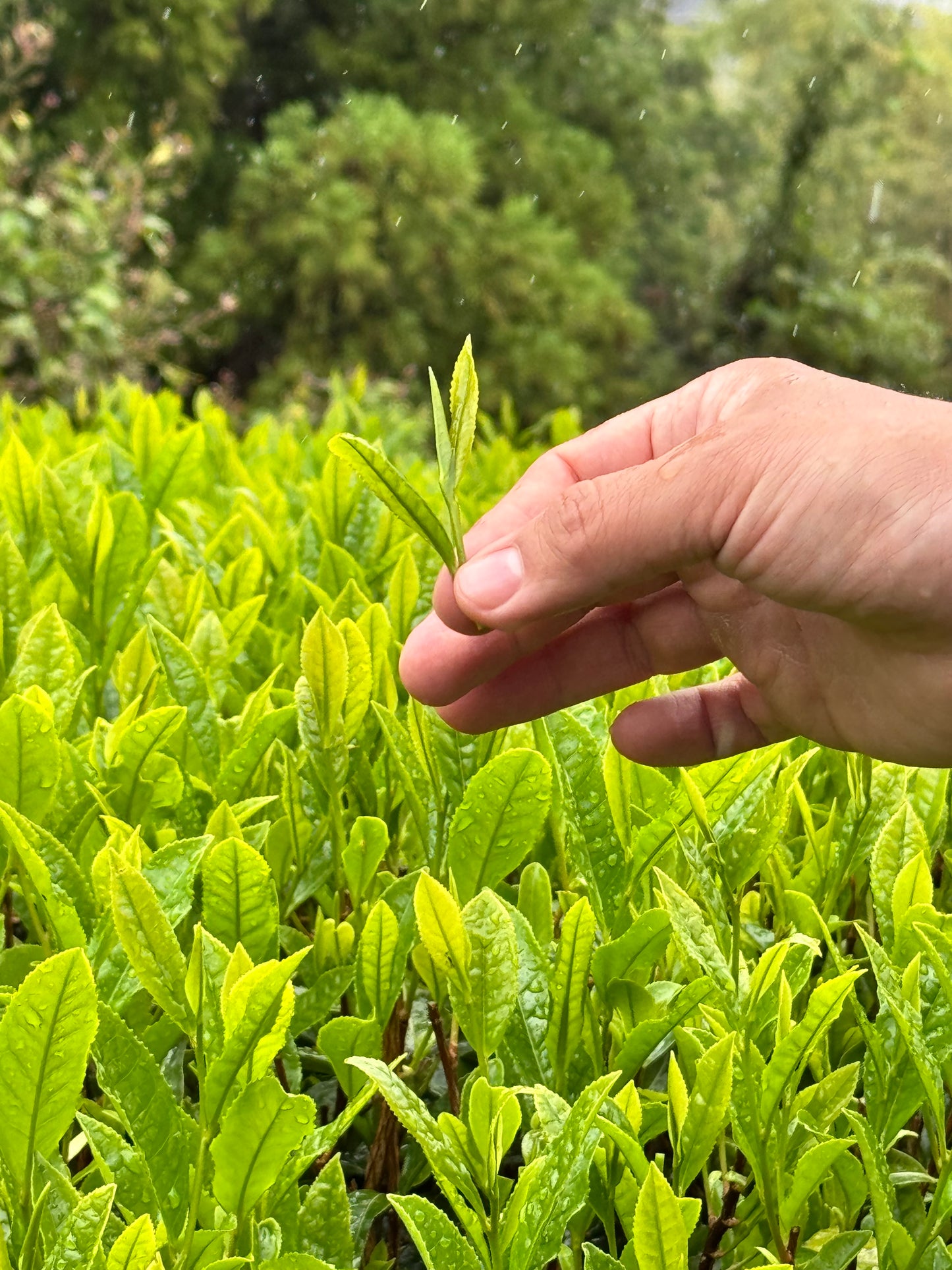
Year: 2025, Spring
Region: Shizuoka
Brewing Method
Brewing Method
Cold Brew: 10g leaf, 1 L cold water, 15 hours in the fridge
_______________________________________________
Hot Brew:
1. Sencha Style:
- Leaf weight: 3g (1 person)
- Water Temp: 60~65°C
- Steep time: 1min
- Leaf-to-water ratio: 100ml
2. Gyokuro Style:
- Leaf weight: 6g (1 person)
- Water Temp: 60~65°C
- Steep time: 3min
- Leaf-to-water ratio: 30ml
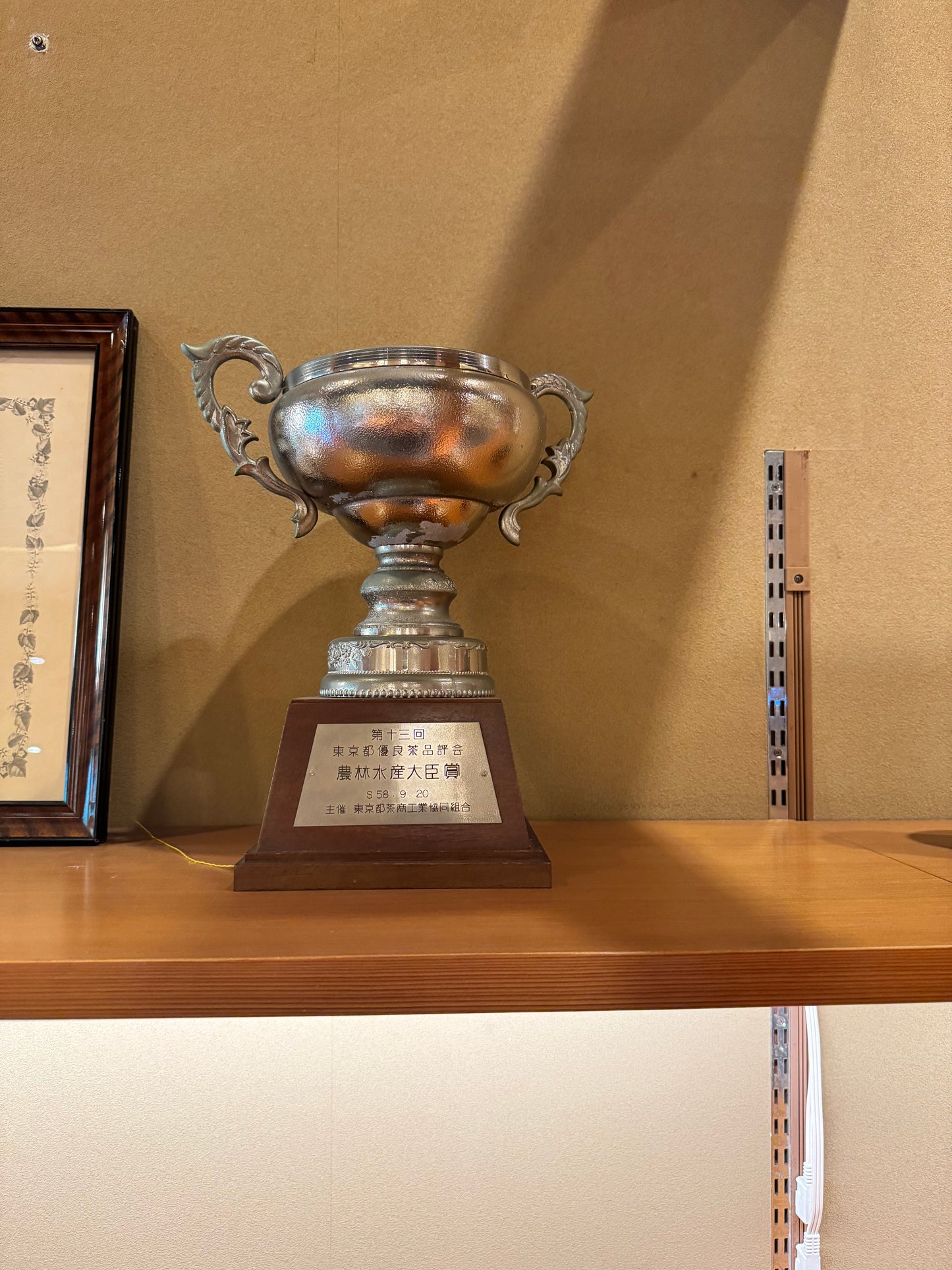
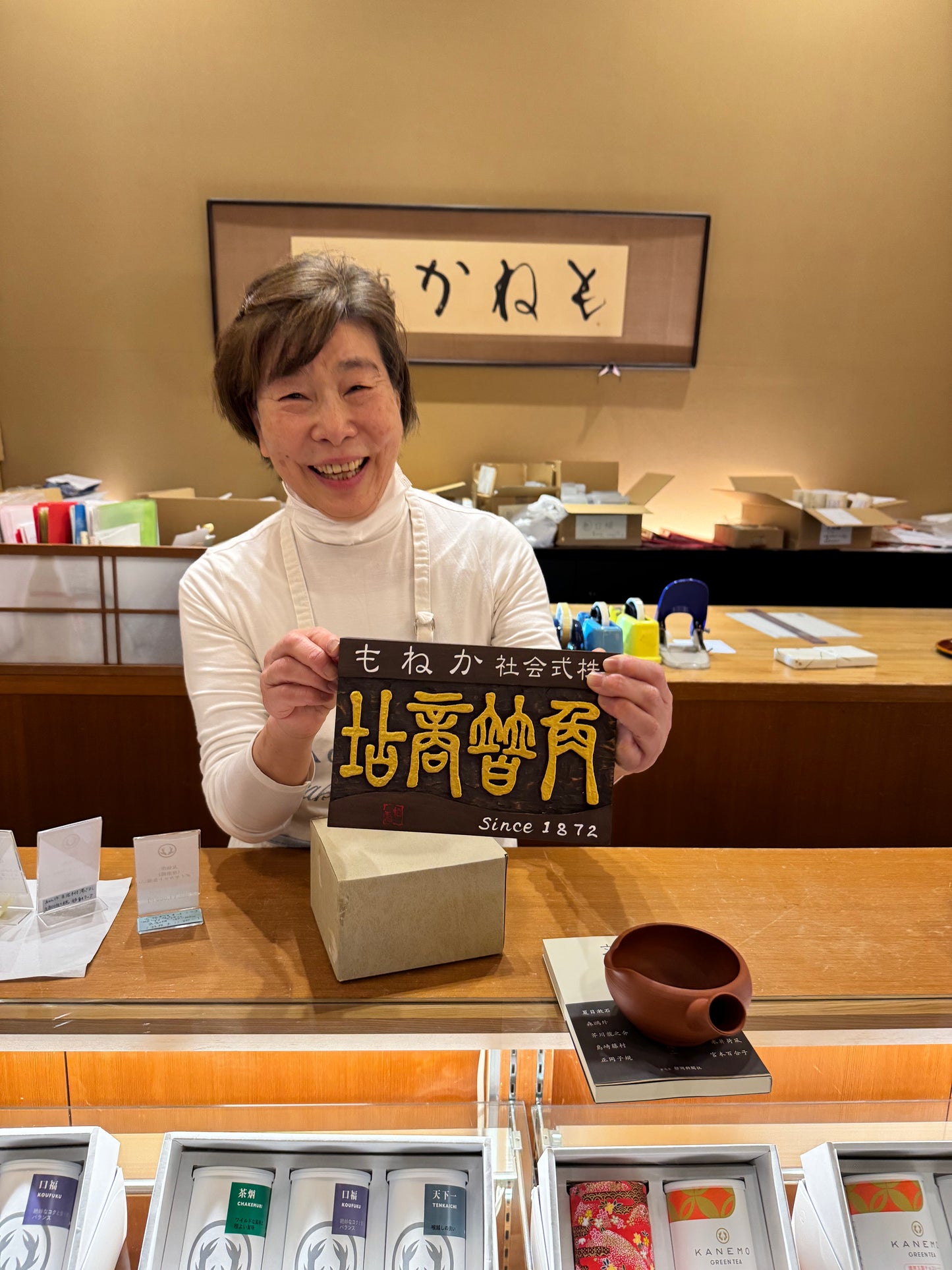
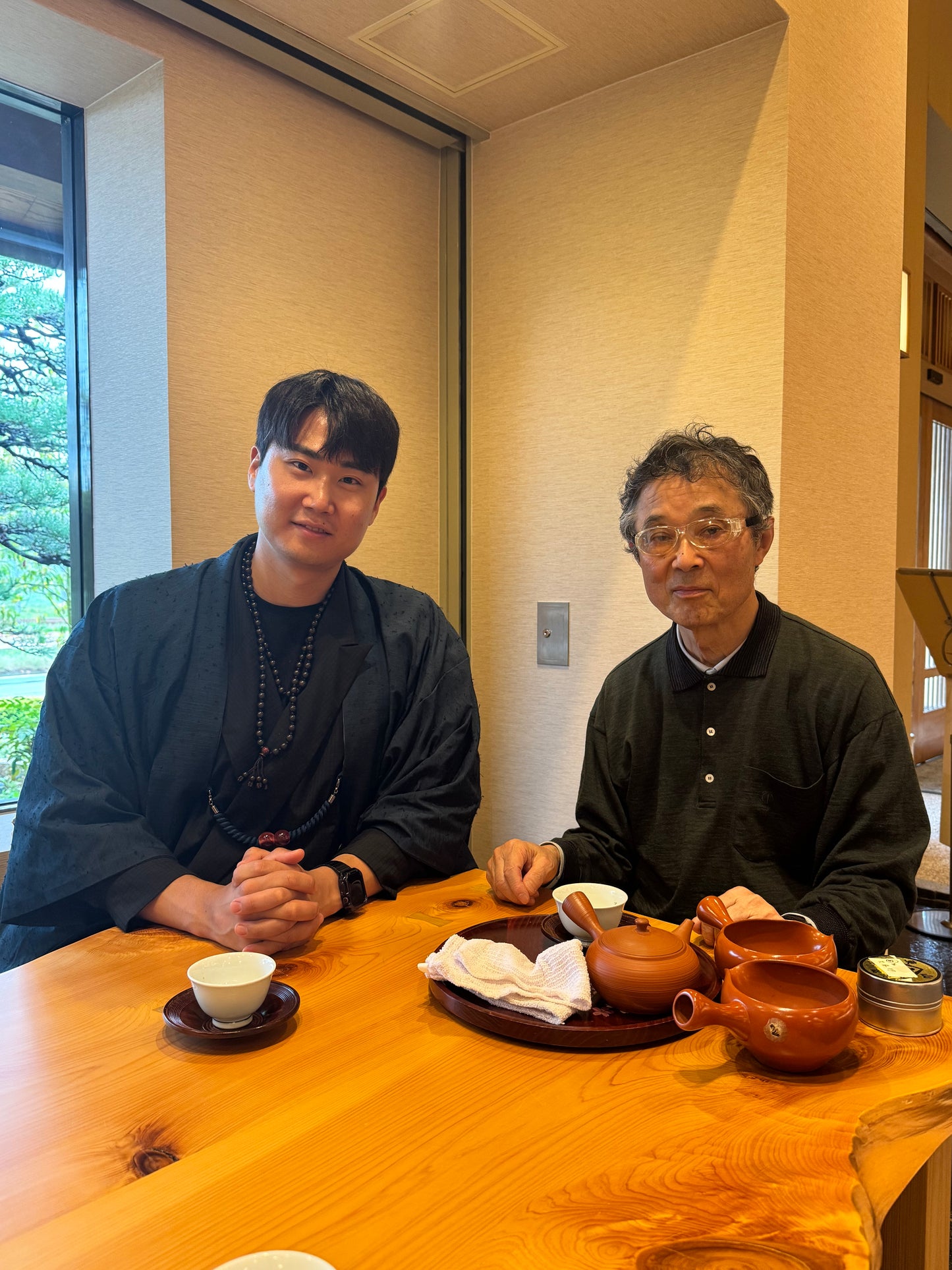
For four generations (since 1872) the かねも family has kept the ancient Chagusaba tea-grass ritual alive—laying wild pampas over their rows so the soil stays sweet and the leaves glow emerald. This ancient Chagusaba method is so rare it’s protected by the UN’s Globally Important Agricultural Heritage System program, and it now survives on fewer than a dozen farms.
Every sip of Shifuku (“Ultimate Happiness.”) is drinks like the meeting point between classic Shizuoka sencha and a lightly shaded gyokuro.
Aroma : Smell of steamed spinach and fresh-cut lawn
Taste : savory—like a light vegetable broth
Because every tin is a vote for tradition over automation, for regenerative farming over chemical shortcuts, and for a Japanese tea culture that’s quietly slipping away.
Take home Shifuku and help keep the story pouring for the Japanese heritage culture
Produktinformationen
Sachbezeichnung: Grüntee (Sencha)
Zutaten: 100 % Grüntee
Nettogewicht: 25 g / 50 g (je nach gewählter Variante)
Produktionsland: Japan (Shizuoka)
Aufbewahrung: Kühl, trocken, luftdicht verschlossen und vor Licht geschützt lagern.
Nährwertdeklaration: Gemäss Anhang 9 LIV ist für Tee ohne weitere nährwertverändernde Zutaten keine Nährwertdeklaration erforderlich.
Verantwortliches Unternehmen: KTea Shop by Kim, Vulkanstrasse 110 C, 8048 Zürich, Schweiz
Share

Aroma & Taste Profile
-
Top Notes:
- Steamed spinach
- Fresh cut grass
- Ocean breeze
-
Middle Notes:
- Nori
- Edamame
- Umami broth
-
Base Notes:
- Gentle astringency
- Medium bitterness
- Umami broth
Blog posts
View all-
Wagashi and Matcha: How Japanese Sweets Create ...
Wagashi and matcha are not simply served together because both are Japanese. Their sweetness, bitterness, texture and visual qualities are designed to create balance.
Wagashi and Matcha: How Japanese Sweets Create ...
Wagashi and matcha are not simply served together because both are Japanese. Their sweetness, bitterness, texture and visual qualities are designed to create balance.
-
Why Wagashi Could Become Your Café’s Next Signa...
Your café may not need another cheesecake. It may need one dessert that customers can recognise, remember and return for.
Why Wagashi Could Become Your Café’s Next Signa...
Your café may not need another cheesecake. It may need one dessert that customers can recognise, remember and return for.
-
Wagashi vs Mochi: What Is the Difference?
Wagashi and mochi are often used as if they mean the same thing. They are connected, but they are not interchangeable.
Wagashi vs Mochi: What Is the Difference?
Wagashi and mochi are often used as if they mean the same thing. They are connected, but they are not interchangeable.