A Korean tea set on a garden stone at dusk
KTeaShop Zürich · Korean Tea

The Korean Tea Discovery Kit

Five teas.
One Korean spring.

From the first spring bud to deep amber — poured in order, one cup at a time.

Certified organic  ·  Boseong, Korea
5 × 10 g  ·  45+ cups

Meet the five teas

The kit at a glance

제품 정보

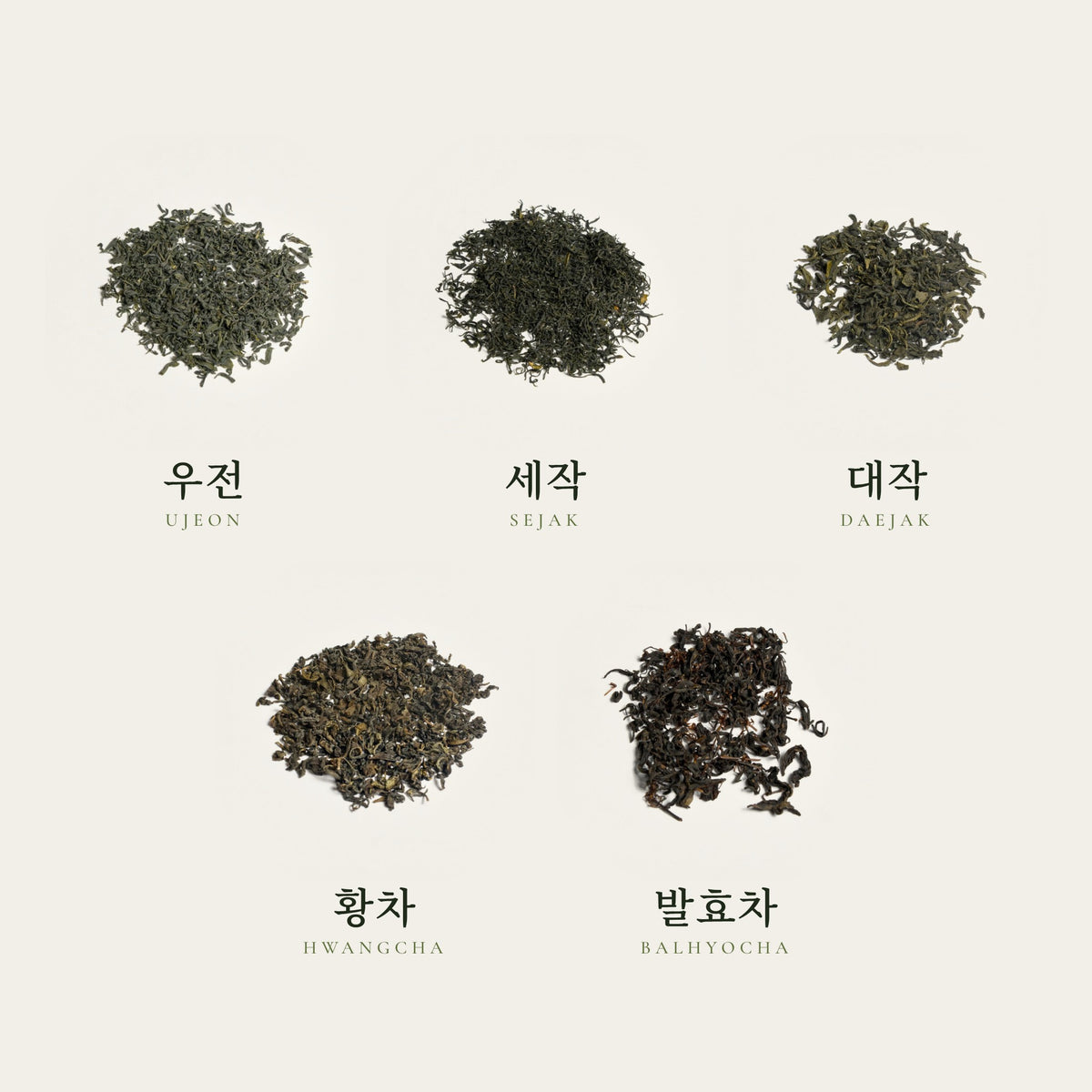
Five certified-organic Korean teas from Boseong, 10 g each, in the order we pour them at our tasting table in Zürich — from the first spring bud to deep amber.

산지 · Origin
보성 Boseong, South Jeolla
Korea’s first GI-registered tea region
유기농 · Organic
Bio — an organic garden since 1990
Swiss Bio · EU Organic · USDA Organic · JAS
구성 · Contents
우전(Ujeon) · 세작(Sejak) · 대작(Daejak) · 황차(Hwangcha) · 발효차(Balhyocha)
10 g each · 50 g in total
물 온도 · Water
80°C — 우전(Ujeon) · 세작(Sejak) · 대작(Daejak)
85°C — 황차(Hwangcha)  ·  95°C — 발효차(Balhyocha)
우림 · Brewing
3 g per pot · 150–200 ml water
2 minutes per infusion
횟수 · Infusions
Each pot steeps 3 times or more
About 3 pots per pouch · 45+ cups in the kit
원료 · Ingredients
100% organic tea (Camellia sinensis)
배송 · Ships from
Our tea house in Zürich

봄을 따라,
  잔을 따라.

Prologue

Korean green tea is named twice —

by the season, and by the leaf.

Picked before Gokwoo, the April rain: 우전(Ujeon),

‘before the rain’.

Around 곡우(Gokwoo), while the leaf is still

small as a sparrow’s tongue: 세작(Sejak).

As the leaf broadens through May:

중작(Jungjak), then 대작(Daejak).

Let the leaf yellow slowly — 황차(Hwangcha).

Let it oxidise into amber — 발효차(Balhyocha).

Five teas from one plant.

Taste them in order,

and you taste a whole Korean spring.

Korean green tea leaves, close up
Chapter 1The five teas

( 하나 )

다섯 번의 봄

Five springs in one kit

One plant, five teas —
from jade to amber.

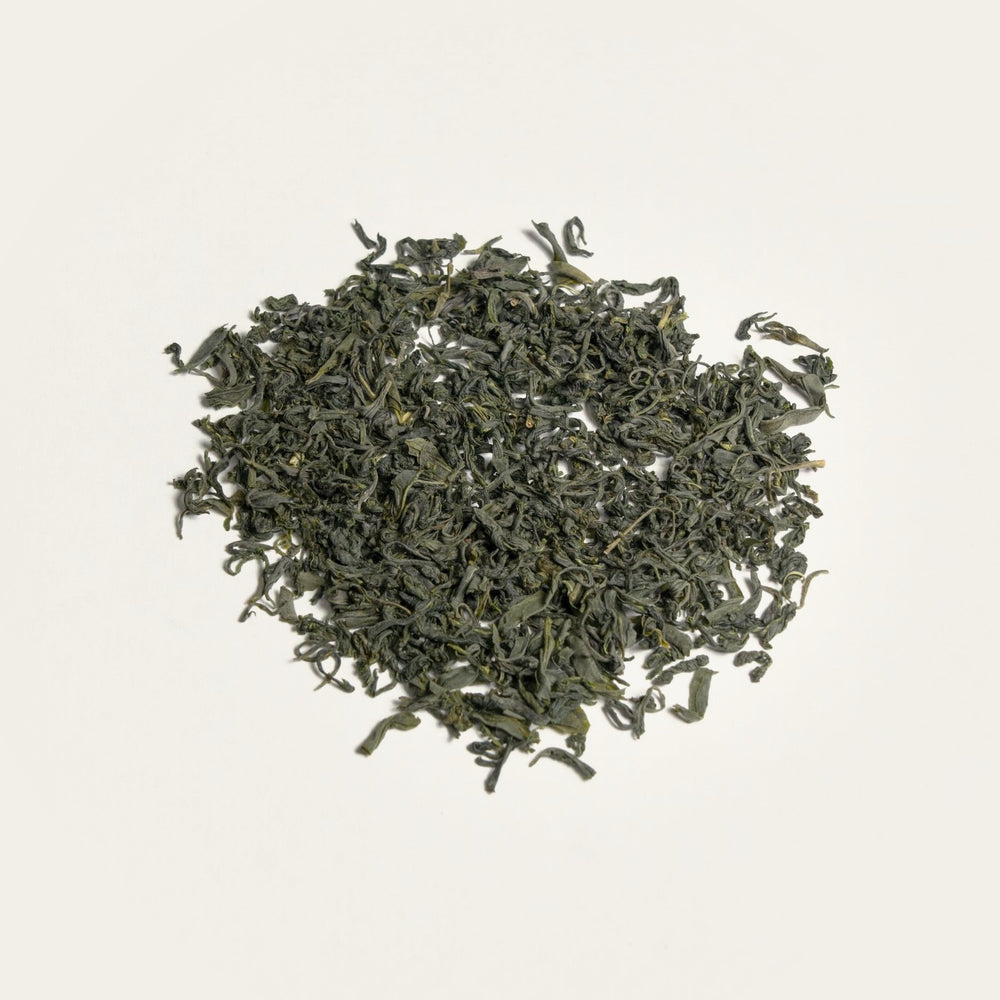
우전 Ujeon, loose leaves

No. 01 / 05

우전 Ujeon

雨前 · before the rain

Literally ‘before the rain’: the earliest, most delicate leaf, picked ahead of Gokwoo, the spring rains around 20 April. Korea’s classic premium green — fresh, sweet and clean, with soft umami and a gentle, clean finish.

맛과 향 · Taste & aroma

  • Fresh
  • Soft sweetness
  • Umami
  • Clean mineral finish
채엽 · Harvest
Before Gokwoo, around 20 April · hand-plucked
우림 · Brew
80°C · 3 g · 150–200 ml · 2 min · 3+ infusions
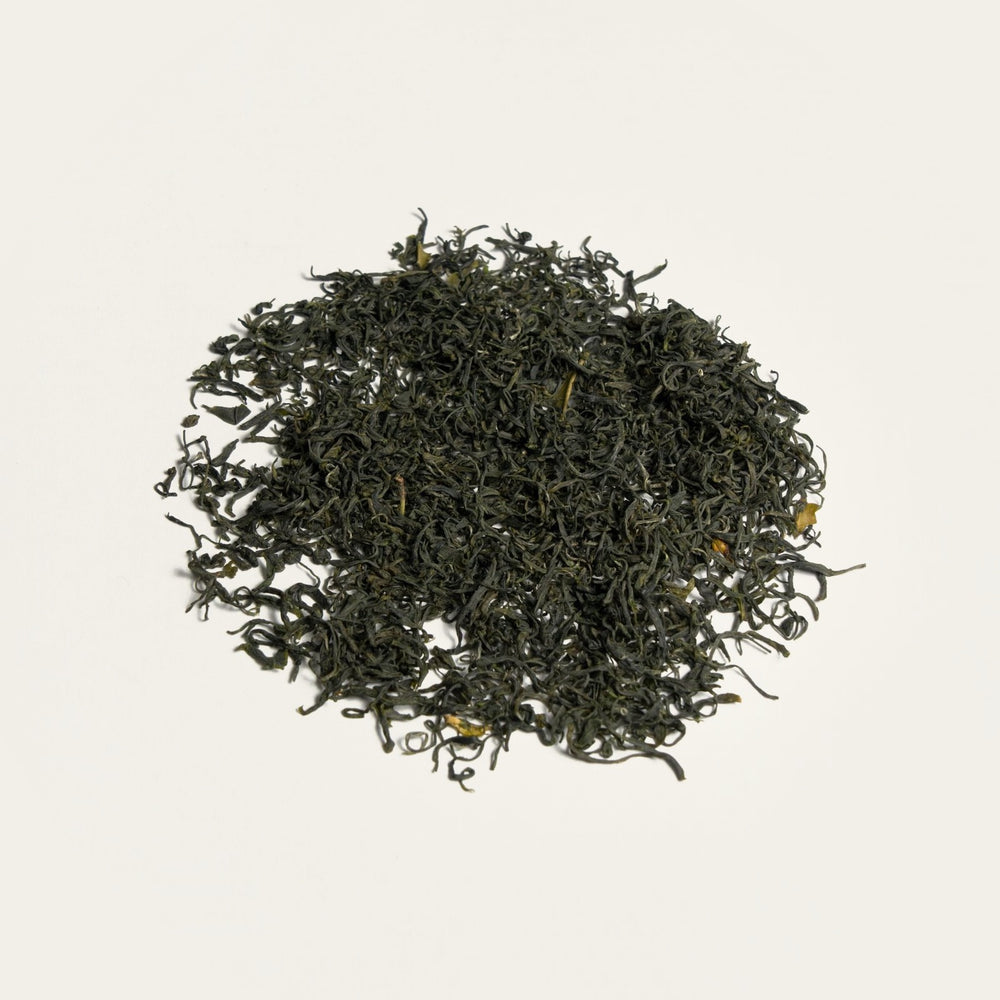
세작 Sejak, loose leaves

No. 02 / 05

세작 Sejak

細雀 · sparrow’s tongue

Picked around Gokwoo, while the leaf is still small and fine as a sparrow’s tongue. Bright and elegant, with fresh green notes, light chestnut sweetness and a clean, refined finish.

맛과 향 · Taste & aroma

  • Fresh green
  • Chestnut sweetness
  • Gentle nuttiness
  • Bright finish
채엽 · Harvest
Around Gokwoo, 20 April · hand-plucked
우림 · Brew
80°C · 3 g · 150–200 ml · 2 min · 3+ infusions
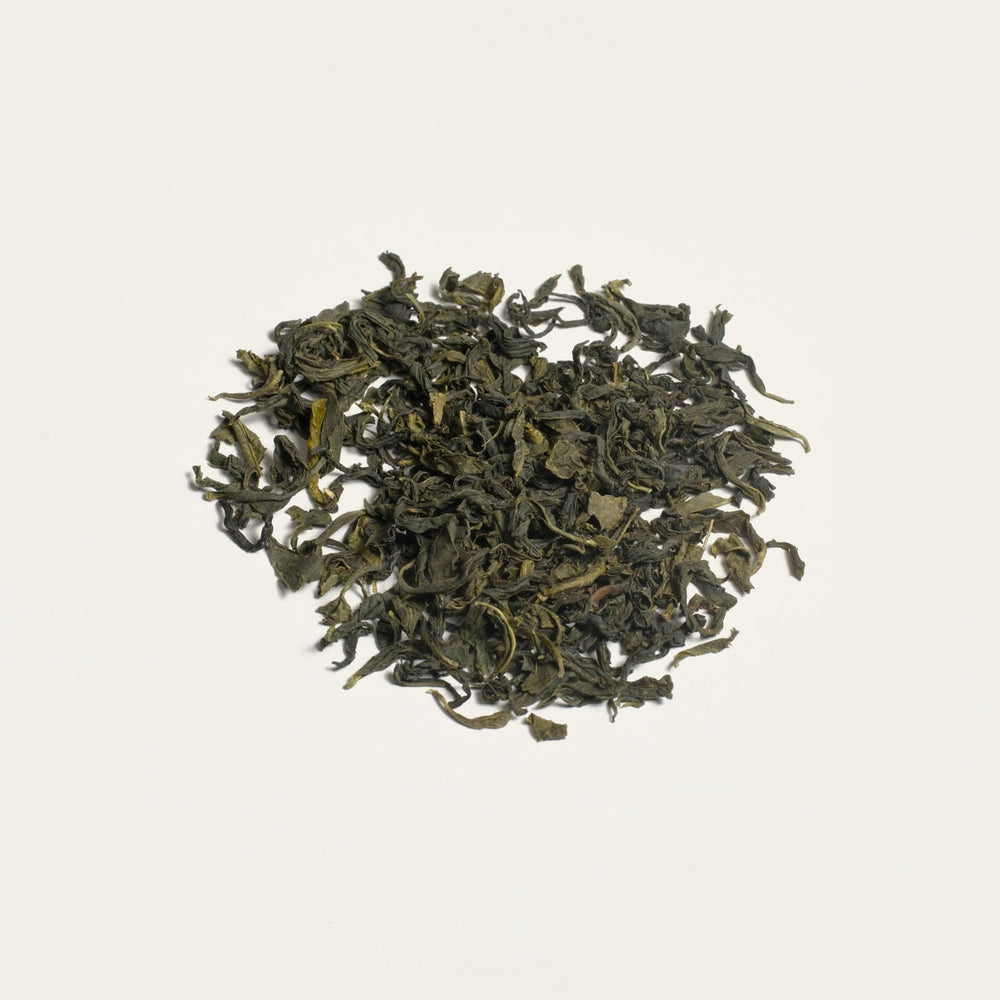
대작 Daejak, loose leaves

No. 03 / 05

대작 Daejak

大雀 · final May harvest · handcrafted

Handcrafted from the final May harvest. Broader, more mature leaves give a rounder, fuller cup — roasted barley and brown rice, with chestnut and almond for a comforting depth.

맛과 향 · Taste & aroma

  • Roasted barley
  • Brown rice
  • Chestnut
  • Almond
  • Savoury
채엽 · Harvest
Final May harvest · mature leaf · hand-plucked
우림 · Brew
80°C · 3 g · 150–200 ml · 2 min · 3+ infusions
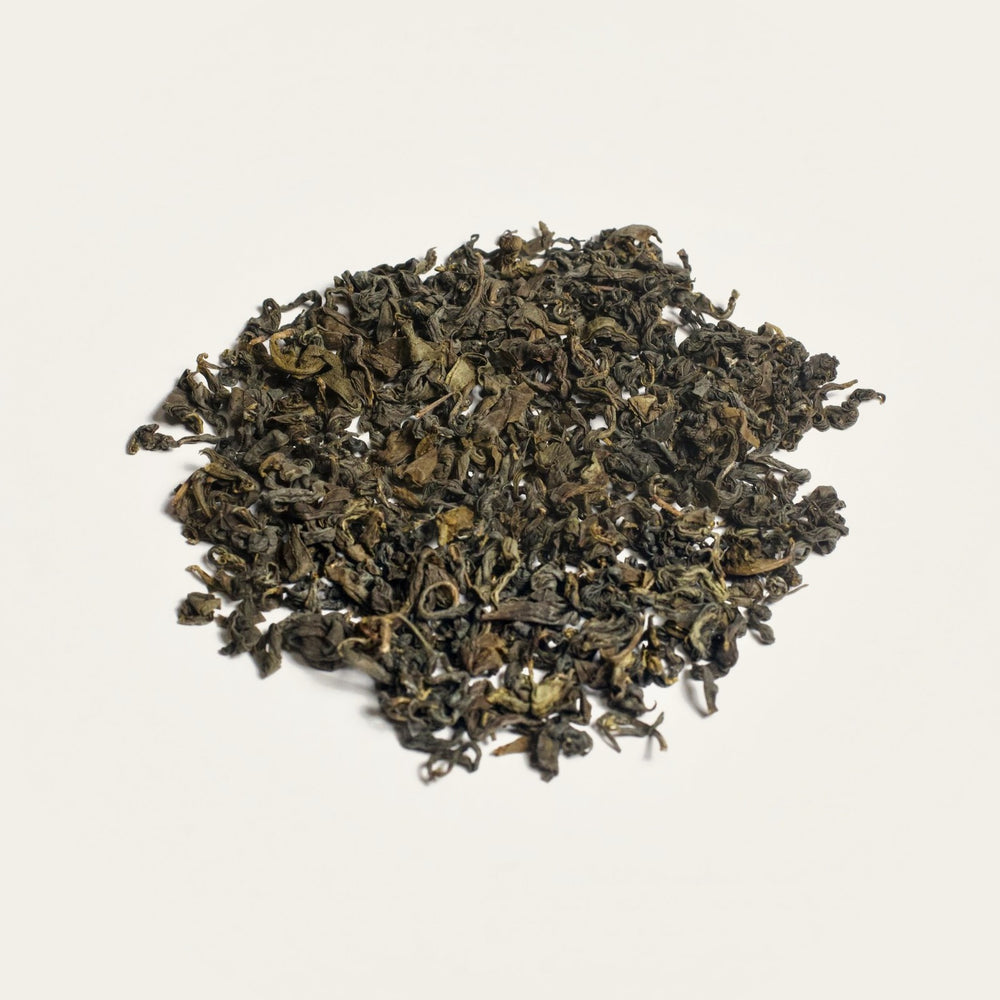
황차 Hwangcha, loose leaves

No. 04 / 05

황차 Hwangcha

黃茶 · yellow tea · minhuang

Hand-plucked in May, then slowly yellowed by the traditional minhuang process. The softness of black tea with the clean freshness of green — floral, a hint of orchid, very little bitterness.

맛과 향 · Taste & aroma

  • Light floral
  • Orchid
  • Subtle bean & nut
  • Clean finish
채엽 · Harvest
May · one bud and three leaves · hand-plucked
우림 · Brew
85°C · 3 g · 150–200 ml · 2 min · 3 infusions
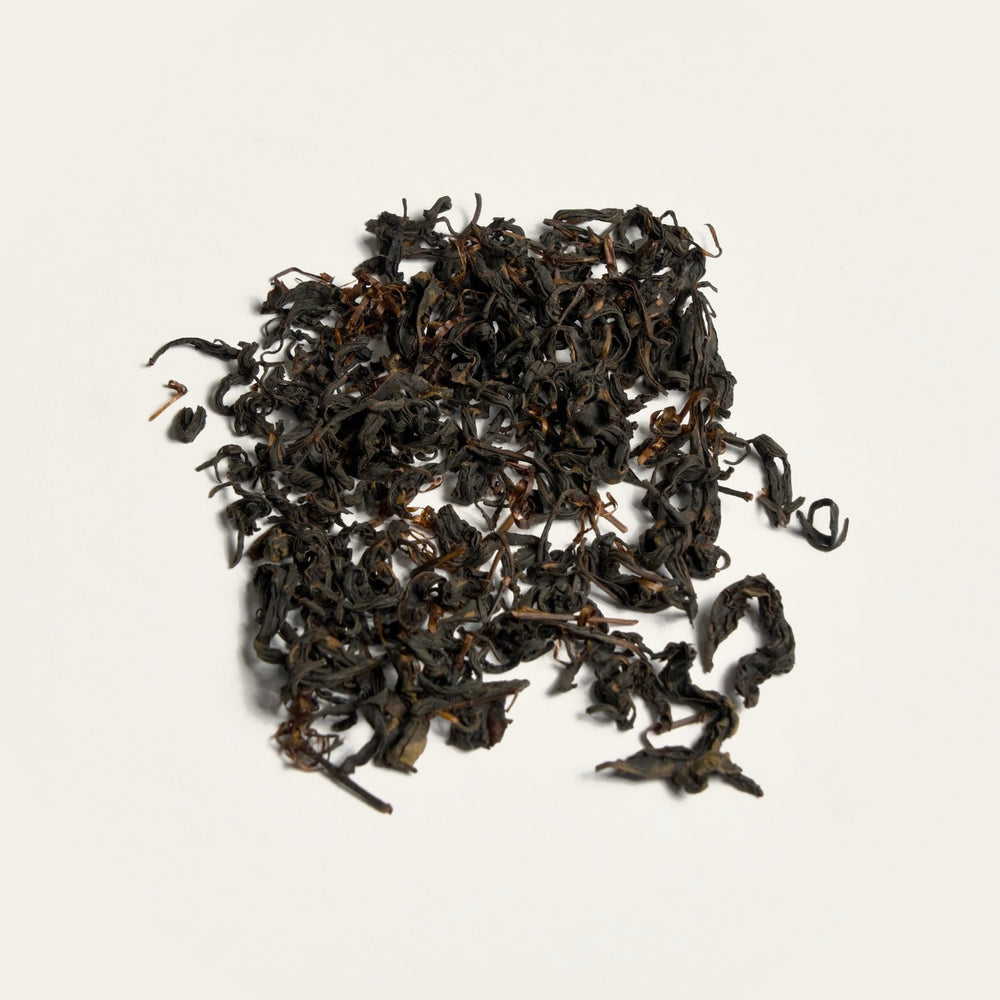
발효차 Balhyocha, loose leaves

No. 05 / 05

발효차 Balhyocha

Korean black tea · roasted style

A naturally sweet Korean black tea. Roasted sweet potato, cocoa and roasted chestnut — round and comforting, with a warm roasted character and a soft, lingering sweetness.

맛과 향 · Taste & aroma

  • Roasted sweet potato
  • Cocoa
  • Honey
  • Chestnut
채엽 · Harvest
Late pluck · mature leaf · hand-plucked
우림 · Brew
95°C · 3 g · 150–200 ml · 2 min · 3 infusions
Chapter 2The original

( 둘 )

봄을 따다

Picking spring

Wait for the season,
take only the new leaf —
from the mountain mist to your cup.

In Korea, green tea is graded by when it is picked. The earlier the leaf, the smaller, sweeter and rarer it is. Picking time and processing are why one plant can give five very different teas. All five in this kit come from a certified-organic garden in Boseong — Korea’s first GI-registered tea region — where sea mist, mountain air and cypress forest shape a clean, balanced cup.

채엽The art of picking
01
A hand holding a fresh tea shoot of a bud and two leaves

Sea mist rolls up the slopes on 89 days a year. The fog shades the leaf, holding back bitterness and keeping the amino acids that give a clean, umami sweetness. Before Gokwoo — the spring rains around 20 April — only the first buds are taken: 우전(Ujeon), ‘before the rain’. Around Gokwoo come the small, fine leaves of 세작(Sejak); in mid-May, 중작(Jungjak); and with the final May harvest, the broad, mature leaves of 대작(Daejak).

제다Leaf, heat and time
02
Fresh green tea leaves after picking Rolled and dried Korean green tea leaves

Every leaf is hand-picked from organic soil — no pesticides, ever. The green teas are washed and pan-fired the traditional way to keep them fresh. For 황차(Hwangcha), the leaf is slowly smothered until it yellows — the minhuang process. 발효차(Balhyocha) is fully oxidised until it turns amber.

Tea does not hurry. 차는 서두르지 않는다
Chapter 3The ritual

( 셋 )

한 잔의 고요

One evening, five cups

Half the taste is in the leaf,
half in the way you pour it.

A tea leaf opening in hot water

You need no special teaware. A small teapot, or a mug with a strainer, is enough. Pour from the youngest leaf to the deepest: the three green teas at 80°C, then 황차 at 85°C and 발효차 at 95°C — two minutes each.

우전(Ujeon)80°세작(Sejak)80°대작(Daejak)80°황차(Hwangcha)85°발효차(Balhyocha)95°
  1. 01
    Go from light to deep

    Start with 우전, finish with 발효차.

  2. 02
    3 g · 150–200 ml · 2 minutes

    Each pot steeps three times or more. A 10 g pouch makes about three pots — 45+ cups from the kit.

  3. 03
    Notice the one you return to

    That tea is yours — the start of your own Korean tea ritual.

Korean Tea Discovery Kit: 우전, 세작, 대작, 황차, 발효차 as loose leaves

The kit

Korean Tea
Discovery Kit

CHF 39about CHF 2.60 per pot
  • 우전 · 세작 · 대작 · 황차 · 발효차 — 10 g each, 50 g in total
  • Certified organic (Bio) — Swiss Bio · EU · USDA · JAS
  • From Boseong, Korea’s first GI-registered tea region
  • 3 g per pot, 3+ infusions each — 45+ cups
  • Shipped from our tea house in Zürich

Questions

Before you begin

Do I need special teaware?

No. A small teapot, or a mug with a strainer, is enough. A kettle with temperature control helps — 80°C for the green teas — but letting boiled water rest for a few minutes also works.

Which tea should I start with?

우전 (Ujeon). Then follow the order of the kit — light to deep — so each tea is tasted against the one before.

Is it a good gift?

It is the gift we recommend most for someone who loves tea but has never tried Korean tea: five discoveries, no guessing.

Do the teas contain caffeine?

Yes. All five are true teas from the tea plant, Camellia sinensis.

How should I store them?

Sealed, cool, dry and away from light. Green teas taste freshest within a few months of opening.

How much tea is in the kit?

50 g in total: five pouches of 10 g. Use about 3 g per pot: each pouch makes about three pots, and each pot steeps three times or more — 45+ cups from the kit.

Where do the teas come from?

All five come from one organic garden in Boseong, South Jeolla — Korea’s first GI-registered tea region, where sea mist and mountain air meet.

Is the tea organic?

Yes. The garden has farmed organically since 1990 — no pesticides, ever — and was the first tea garden in Korea to earn USDA Organic (2007). It is certified to Swiss Bio, EU Organic, USDA Organic and JAS standards.

Full description & Produktinformationen

Korean Tea Discovery Kit

Five certified-organic teas from Boseong. One plant. From the first spring bud to deep amber.

Five Korean teas from one certified-organic garden in Boseong — Korea’s first GI-registered tea region — 10 g each, in the order we pour them at our tasting table in Zürich. Use about 3 g per pot: each pouch makes about three pots, and each pot steeps three times or more — 45+ cups from the kit.

Sea mist covers the garden on 89 days a year, shading the leaf, holding back bitterness and keeping the amino acids that give a clean, umami sweetness. The garden has farmed organically since 1990 — no pesticides, ever — and was the first tea garden in Korea to earn USDA Organic (2007).

Product details

  • Origin: Boseong, South Jeolla, South Korea — Korea’s first GI-registered tea region
  • Organic: certified-organic garden — Swiss Bio, EU Organic, USDA Organic, JAS
  • Contents: 5 teas × 10 g (50 g in total)
  • Water: 80°C for Ujeon, Sejak and Daejak · 85°C for Hwangcha · 95°C for Balhyocha
  • Brewing: 3 g per pot, 150–200 ml water, 2 minutes
  • Infusions: each pot steeps 3 times or more · about 3 pots per pouch · 45+ cups in total
  • Ingredients: 100% organic tea (Camellia sinensis)
  • Ships from: our tea house in Zürich

Inside the kit — taste & aroma

  • Ujeon — 10 g · 80°C
    Literally “before the rain”: the earliest, most delicate leaf, hand-picked before Gokwoo (around 20 April). Korea’s classic premium green — fresh, sweet and clean, with soft umami.
    Taste & aroma: fresh · soft sweetness · umami · clean mineral finish
  • Sejak — 10 g · 80°C
    Hand-picked around Gokwoo, while the leaf is still small and fine as a sparrow’s tongue. Bright and elegant, with a clean, refined finish.
    Taste & aroma: fresh green · chestnut sweetness · gentle nuttiness · bright finish
  • Handmade Daejak — 10 g · 80°C
    Handcrafted from the final May harvest. Broader, more mature leaves give a rounder, fuller cup with a comforting depth.
    Taste & aroma: roasted barley · brown rice · chestnut · almond · savoury
  • Yellow Tea (Hwangcha) — 10 g · 85°C
    Hand-plucked in May from one bud and three leaves, then slowly yellowed by the traditional minhuang process. The softness of black tea with the clean freshness of green tea, with very little bitterness.
    Taste & aroma: light floral · orchid · subtle bean & nut · clean finish
  • Classic Balhyocha — 10 g · 95°C
    A naturally sweet Korean black tea. Round and comforting, with a warm roasted character and a soft, lingering sweetness.
    Taste & aroma: roasted sweet potato · cocoa · honey · chestnut

How to brew

  1. Go from light to deep. Start with Ujeon and finish with Balhyocha.
  2. 3 g, 150–200 ml, 2 minutes. The three green teas at 80°C, Hwangcha at 85°C, Balhyocha at 95°C.
  3. Steep again. Each pot gives three infusions or more.
  4. Notice the tea you return to. That one is yours.

Produktinformationen

Sachbezeichnung: Teeset aus biologischem Anbau – Grüner Tee (Ujeon, Sejak, Daejak), Gelber Tee (Hwangcha) und Schwarzer Tee (Balhyocha)
Zutaten: je Sorte 100 % Tee (Camellia sinensis) aus biologischem Anbau
Nettogewicht: 5 × 10 g (50 g)
Produktionsland: Südkorea (Boseong, Jeollanam-do)
Empfohlene Zubereitung: ca. 3 g Tee mit 150–200 ml Wasser aufgiessen und 2 Minuten ziehen lassen: Ujeon, Sejak und Daejak bei 80 °C, Hwangcha bei 85 °C, Balhyocha bei 95 °C. Jede Portion kann mindestens dreimal aufgegossen werden; ein 10-g-Beutel reicht für etwa drei Portionen.
Aufbewahrung: Kühl, trocken, luftdicht verschlossen und vor Licht geschützt lagern.
Nährwertdeklaration: Gemäss Anhang 9 LIV ist für Tee ohne weitere nährwertverändernde Zutaten keine Nährwertdeklaration erforderlich.
Mindestens haltbar bis / LOT: Siehe Verpackung.
Verantwortliches Unternehmen: KTea Shop by Kim, Vulkanstrasse 110 C, 8048 Zürich, Schweiz

The Korean Tea Collection

Start where
Korea starts.

Five teas, one evening — and you will know which Korean tea is yours.

Discovery Kit · 5 × 10 gCHF 39