
-
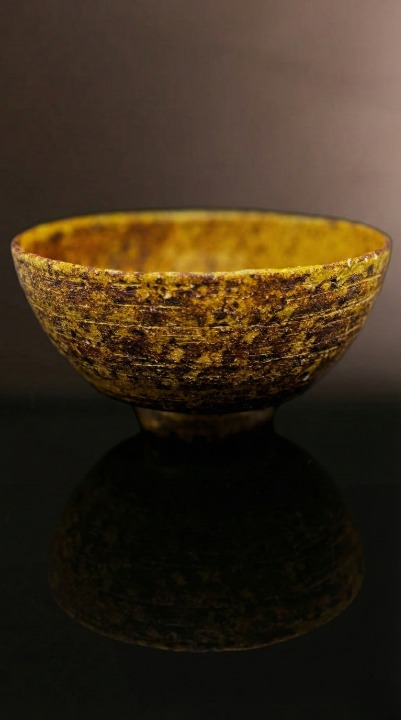
Korean Matcha Bowl Chawan by Master Na Yong Hwan – One-of-a-Kind Traditional Korean Ceramic
A BOWL THAT CARRIES KOREAN HERITAGE This Korean Matcha Bowl (Chawan) is shaped by Master Potter Na Yong Hwan, a highl...
CHF 400.00 -
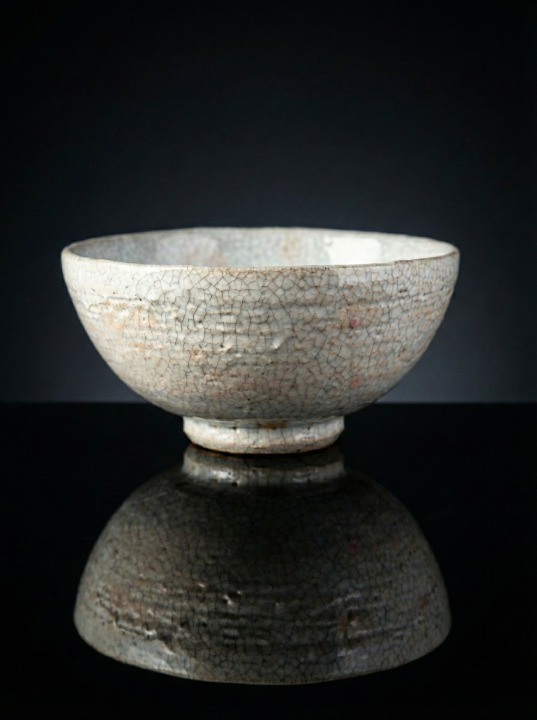
Korean Matcha Bowl Chawan – White Crackle Glaze, One-of-a-Kind Handmade Stoneware
A BOWL THAT CARRIES KOREAN HERITAGE This Korean Heritage Chawan is a one-of-a-kind handmade tea bowl, created through...
CHF 220.00 -
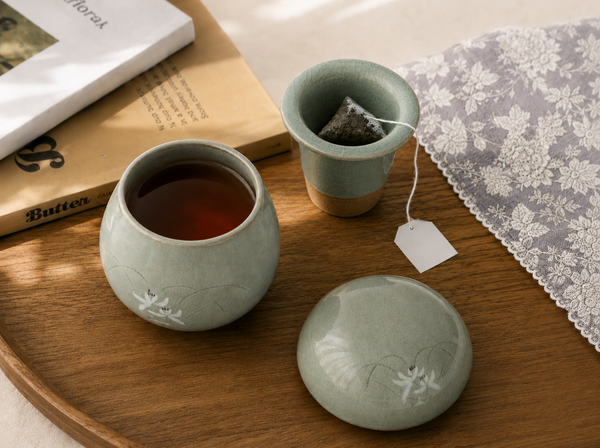
Orchid Celadon Solo Tea Set – Korean Traditional Teaware
✦ Crafted by Doseong — Korean Celadon Master, carrying a tradition over 1,000 years old. Stop giving gifts that get ...
CHF 65.00 -
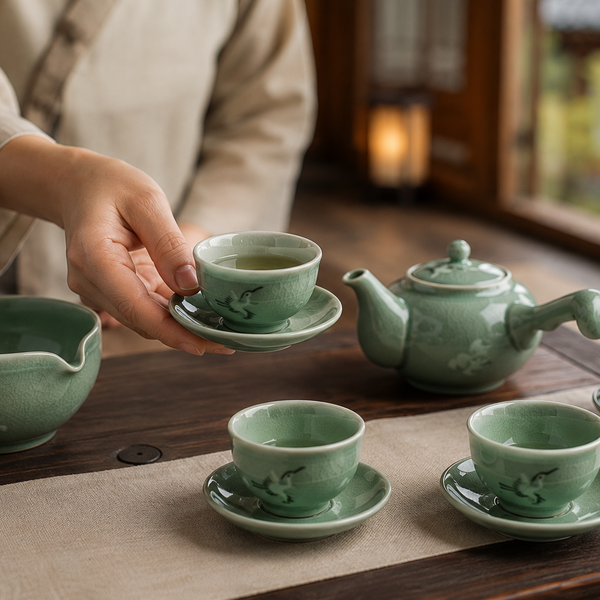
Celadon Cloud & Crane Korean Tea Set — Handcrafted Teapot, Water Bowl & Cups
If you love Korean culture, you know the difference between something styled like Korea and something that truly carr...
CHF 145.00 -
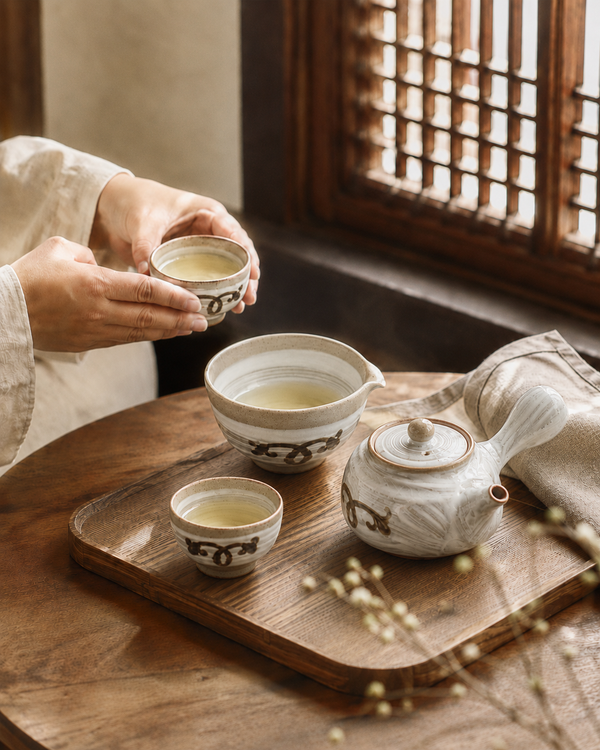
Buncheong Iron Orchid 3-Person Tea Set | Korean Traditional Teaware
For the gathering that deserves to be remembered. Most host gifts are forgotten the next day. A Buncheong tea set f...
CHF 250.00 -
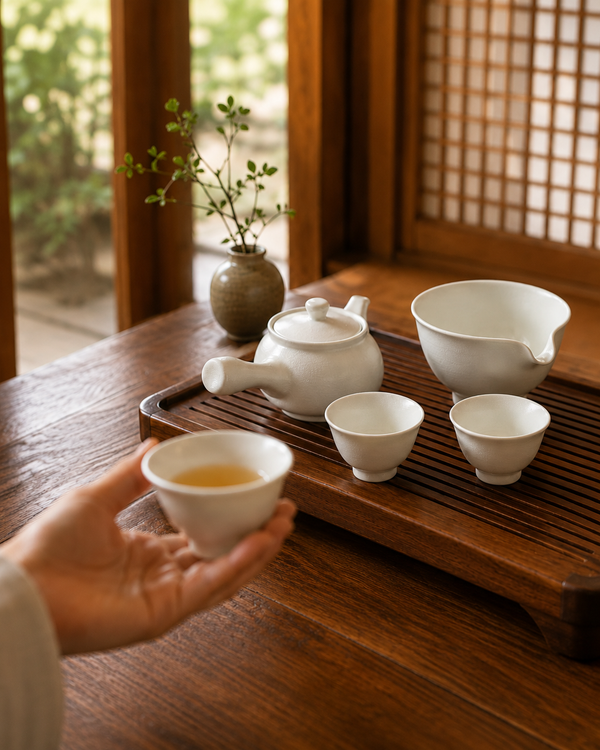
Korean Baekja White Porcelain Tea Set, 3-Person
This Korean Baekja white porcelain tea set is individually handcrafted in Yeouju and Icheon, bringing authentic ceram...
CHF 150.00 -
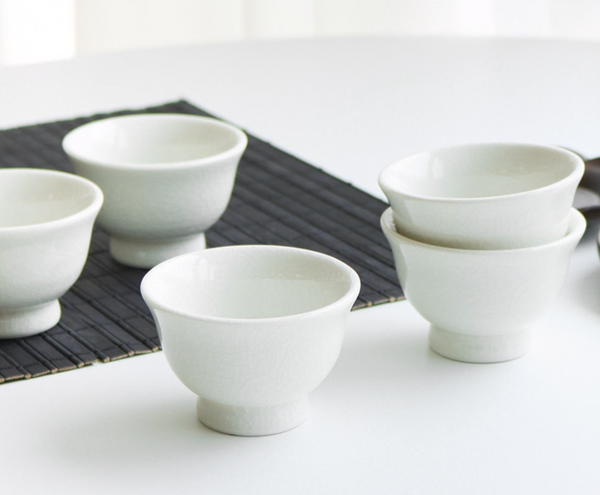
Korean Tea Cup Set – Handcrafted Ceramic Korean Teaware
Bring Korean tea culture into your daily ritual with a handcrafted Korean tea cup set made in Korea. These ceramic cu...
CHF 40.00 -
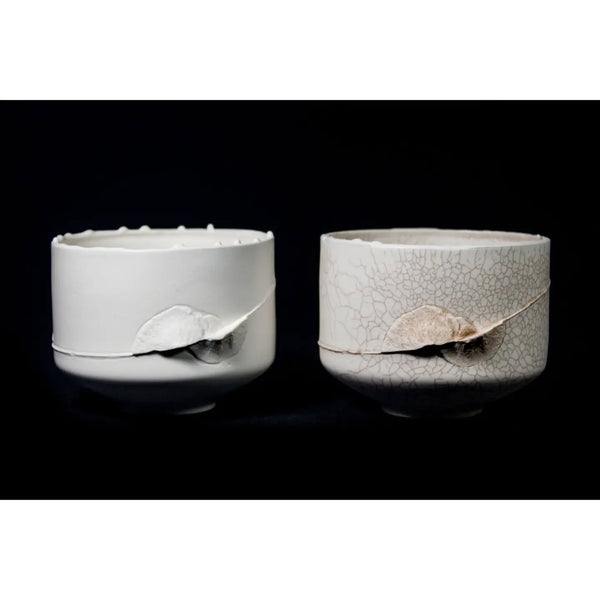
Timeless Korean Matcha Masterpiece – Cha-Sim Bowl & Chasen Holder Set
✨ Product Description: The art of Cha-sim (차심)— as the evolution of handcrafted ceramics that transform uniquely w...
CHF 1,000.00 -
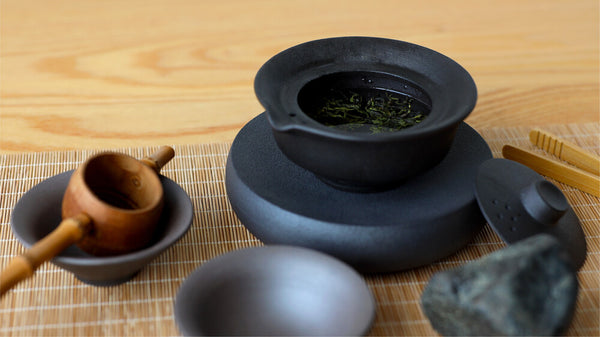
Handcrafted Korean Ceramic Tea Set with Teapot & 2 Cups
This handcrafted Korean ceramic tea set brings traditional artistry to your daily tea ritual. The set includes a 150 ...
CHF 200.00 -
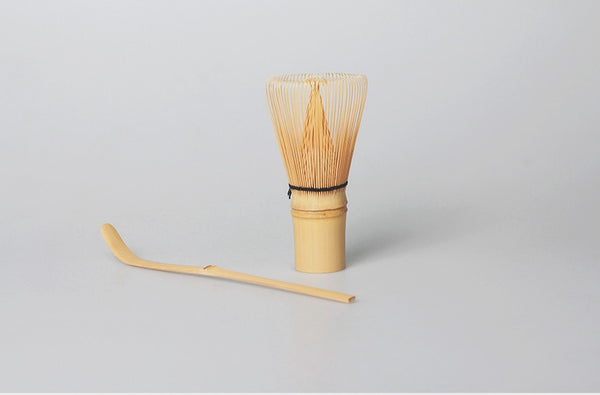
Traditional Matcha Tool Set (Chasen & Chashaku)
This matcha tool set from brings together the essentials of a refined tea ritual: the chasen (matcha whisk) and chash...
CHF 25.00 -
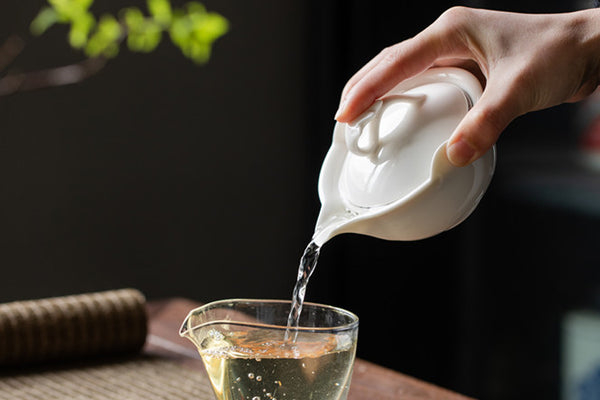
Authentic Ivory White Porcelain Leaf Teapot with Stainless Steel Infuser - 150cc
Features: High-Quality Porcelain: Made from the finest ivory white porcelain (상아백자) for a smooth, luxurious finis...
CHF 100.00 -
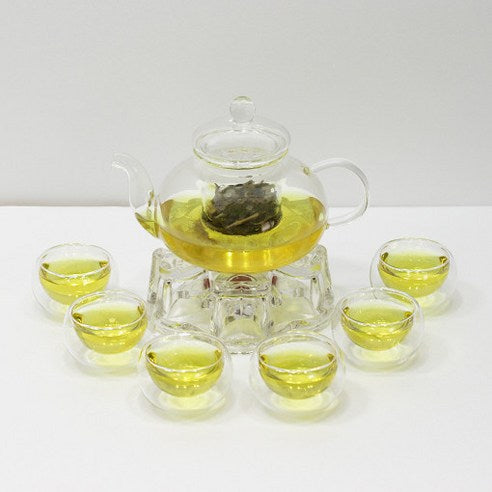
heat resistant glass Teapot Set(600ml & 6p Glasses )
CHF 49.90
Blog posts
View all-

Why Korean Green Tea Is So Rare: Korean Tea Gra...
Why is handmade Korean green tea so rare? Learn how Gogu, Ujeon, Sejak, Jungjak and Daejak connect to a short spring harvest, hand-picking and artisan tea making.
Why Korean Green Tea Is So Rare: Korean Tea Gra...
Why is handmade Korean green tea so rare? Learn how Gogu, Ujeon, Sejak, Jungjak and Daejak connect to a short spring harvest, hand-picking and artisan tea making.
-

Wagashi and Matcha: How Japanese Sweets Create ...
Wagashi and matcha are not simply served together because both are Japanese. Their sweetness, bitterness, texture and visual qualities are designed to create balance.
Wagashi and Matcha: How Japanese Sweets Create ...
Wagashi and matcha are not simply served together because both are Japanese. Their sweetness, bitterness, texture and visual qualities are designed to create balance.

