


Learn More
Related Reading

Asian Tea and Culture Academy
Why Korean Green Tea Is So Rare: Korean Tea Grades Explained
Why is handmade Korean green tea so rare? Learn how Gogu, Ujeon, Sejak, Jungjak and Dae...
Read article →
Asian Tea and Culture Academy
Best Japanese Cooking Classes in Zurich: From Sushi to Wagashi
Zurich offers several ways to explore Japanese food, from sushi and ramen to matcha, mo...
Read article →
Asian Tea and Culture Academy
Wagashi and Matcha: How Japanese Sweets Create Balance With Tea
Wagashi and matcha are not simply served together because both are Japanese. Their swee...
Read article →
Asian Tea and Culture Academy
Why Wagashi Could Become Your Café’s Next Signature Dessert
Your café may not need another cheesecake. It may need one dessert that customers can r...
Read article →
Asian Tea and Culture Academy
Wagashi vs Mochi: What Is the Difference?
Wagashi and mochi are often used as if they mean the same thing. They are connected, bu...
Read article →
Asian Tea and Culture Academy
How Pan-Firing Shapes the Taste of Korean Green Tea
Traditional Korean green tea is closely associated with pan-firing. Learn how direct he...
Read article →
Asian Tea and Culture Academy
Wagashi Masterclass Zurich: Learn Professional Japanese Confectionery
A rare three-day Wagashi Masterclass in Zurich for pastry chefs, café owners, confectio...
Read article →
Asian Tea and Culture Academy
"Ceremonial grade" doesn't mean what you think it does — KTeaShop
Read article →
Asian Tea and Culture Academy
How to Tell If Your Tea is Good Quality | Tea Guide Zurich
Read article →
Asian Tea and Culture Academy
Understanding Matcha Cultivars: Yabukita, Okumidori & Samidori | KTeashop Zürich
Read article →
Asian Tea and Culture Academy
I Don’t Know Where to Get Authentic Matcha — Zürich’s 5 Senses of Matcha Tasting
Read article →
Asian Tea and Culture Academy
How to Whisk Matcha the Japanese Way
Read article →
Asian Tea and Culture Academy
Ancient Matcha Secrets: Banishing Brain Fog & Supercharges Your Mind
Read article →
Asian Tea and Culture Academy
Die Kunst & Wissenschaft von Matcha: Der ultimative Leitfaden eines Tea Sommeliers
Read article →
Asian Tea and Culture Academy
The Art & Science of Matcha: A Tea Sommelier’s Ultimate Guide
Read article →
Asian Tea and Culture Academy
Discover Tea Omakase: Zurich's New Mental Spa Experience
Read article →
Asian Tea and Culture Academy
Matcha vs Green Tea: Which One is Healthier? - Discover the Differences
Read article →
Asian Tea and Culture Academy
Is Matcha the Perfect Alternative to Coffee?
Read article →
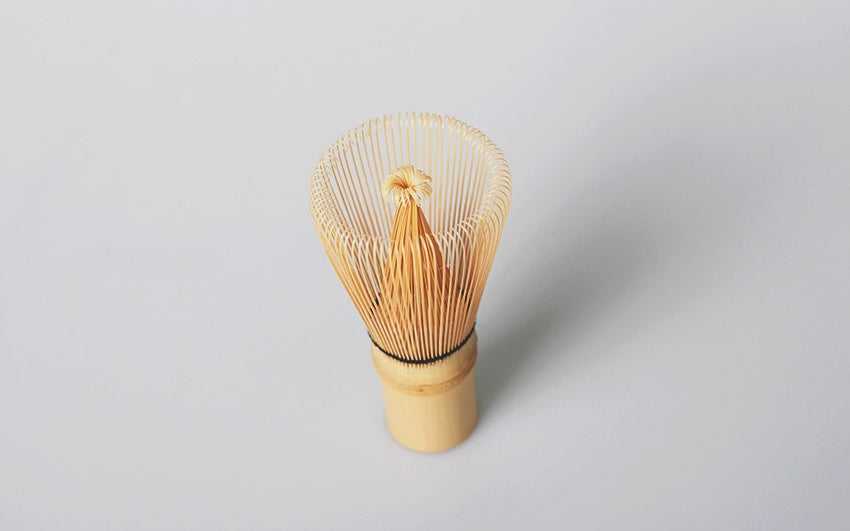
Traditional Matcha Tool Set (Chasen & Chashaku)
CHF 25.00