
Collection: Pure Matcha Powder
-
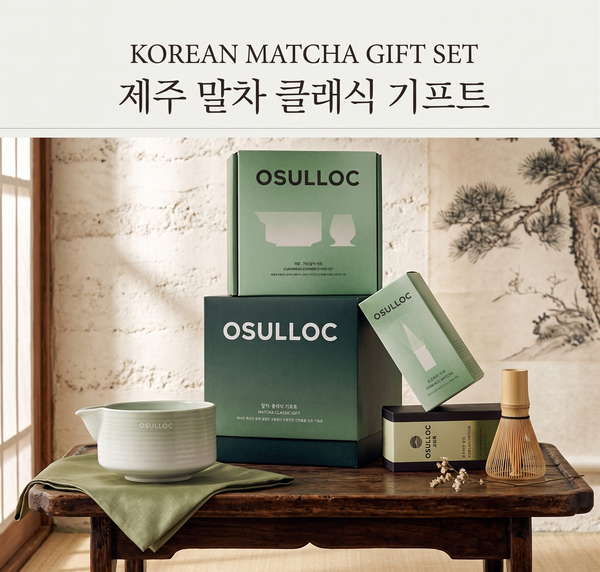
Korean Premium Matcha Gift Set
Most people try matcha for the first time from a cafe. A green latte made with culinary-grade powder designed to disa...
CHF 120.00 -
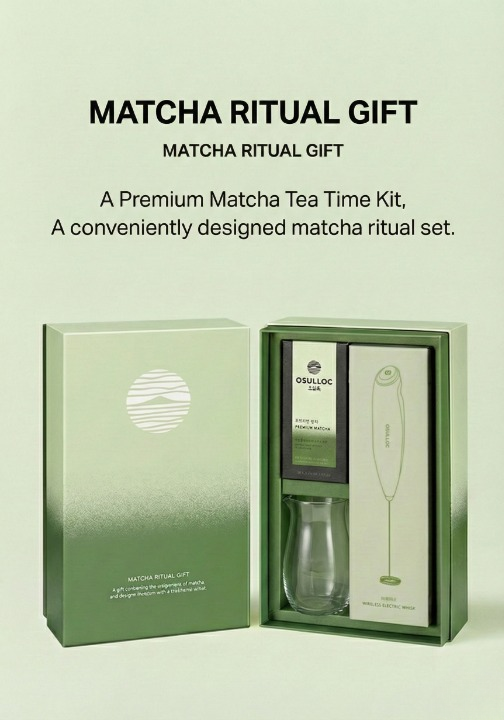
Osulloc Matcha Ritual Set | Matcha 40g + Wireless Whisk + 100ml Glass
OSULLOC Matcha Ritual Set A compact set for preparing matcha at home or at the office. Set contents OSULLOC Premium ...
CHF 80.00


Blog posts
View all-

Why Korean Green Tea Is So Rare: Korean Tea Gra...
Why is handmade Korean green tea so rare? Learn how Gogu, Ujeon, Sejak, Jungjak and Daejak connect to a short spring harvest, hand-picking and artisan tea making.
Why Korean Green Tea Is So Rare: Korean Tea Gra...
Why is handmade Korean green tea so rare? Learn how Gogu, Ujeon, Sejak, Jungjak and Daejak connect to a short spring harvest, hand-picking and artisan tea making.
-

Wagashi and Matcha: How Japanese Sweets Create ...
Wagashi and matcha are not simply served together because both are Japanese. Their sweetness, bitterness, texture and visual qualities are designed to create balance.
Wagashi and Matcha: How Japanese Sweets Create ...
Wagashi and matcha are not simply served together because both are Japanese. Their sweetness, bitterness, texture and visual qualities are designed to create balance.

