K-teashop
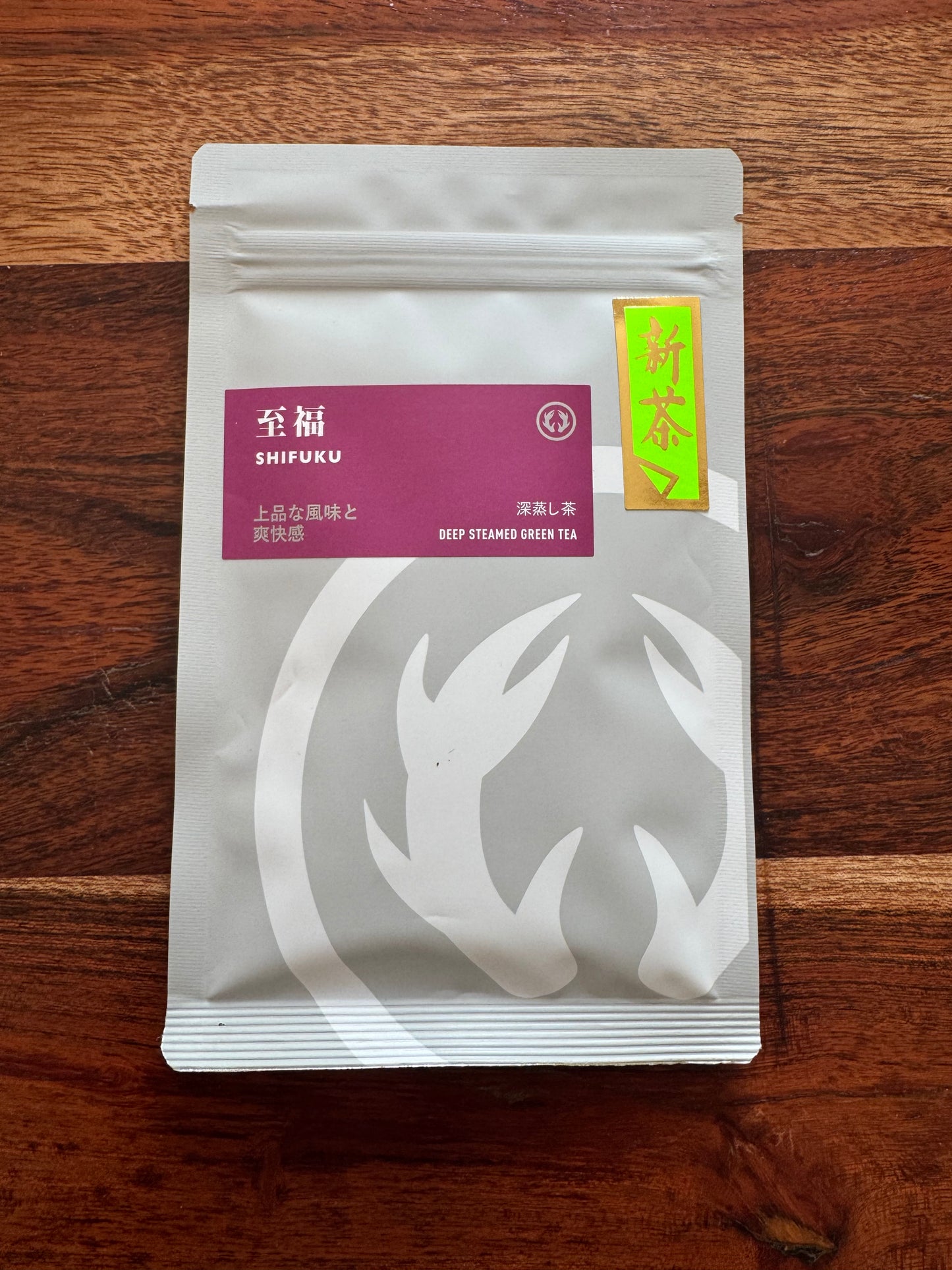
かねも Shifuku | 2025 Spring First Flush Shincha — Limited-Stock Shizuoka Sencha
Couldn't load pickup availability
Why You’ll Love It
Why You’ll Love It
Details
Details
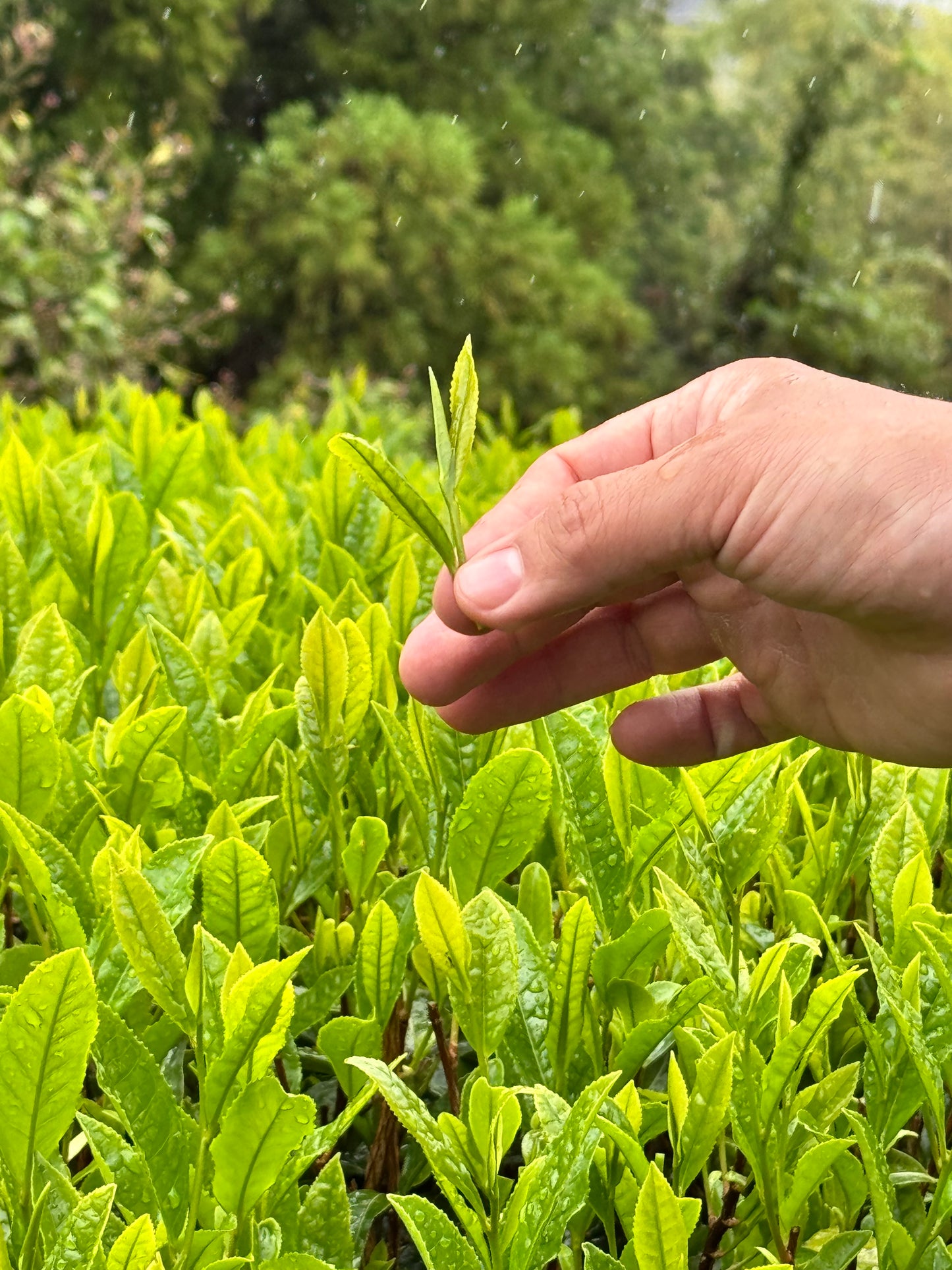
Cultivar: Yabukita(やぶきた)
Year: 2025, Spring
Region: Shizuoka
Brewing Method
Brewing Method
Cold Brew: 10g leaf, 1 L cold water, 15 hours in the fridge
_______________________________________________
Hot Brew:
1. Sencha Style:
- Leaf weight: 3g (1 person)
- Water Temp: 60~65°C
- Steep time: 1min
- Leaf-to-water ratio: 100ml
2. Gyokuro Style:
- Leaf weight: 6g (1 person)
- Water Temp: 60~65°C
- Steep time: 3min
- Leaf-to-water ratio: 30ml
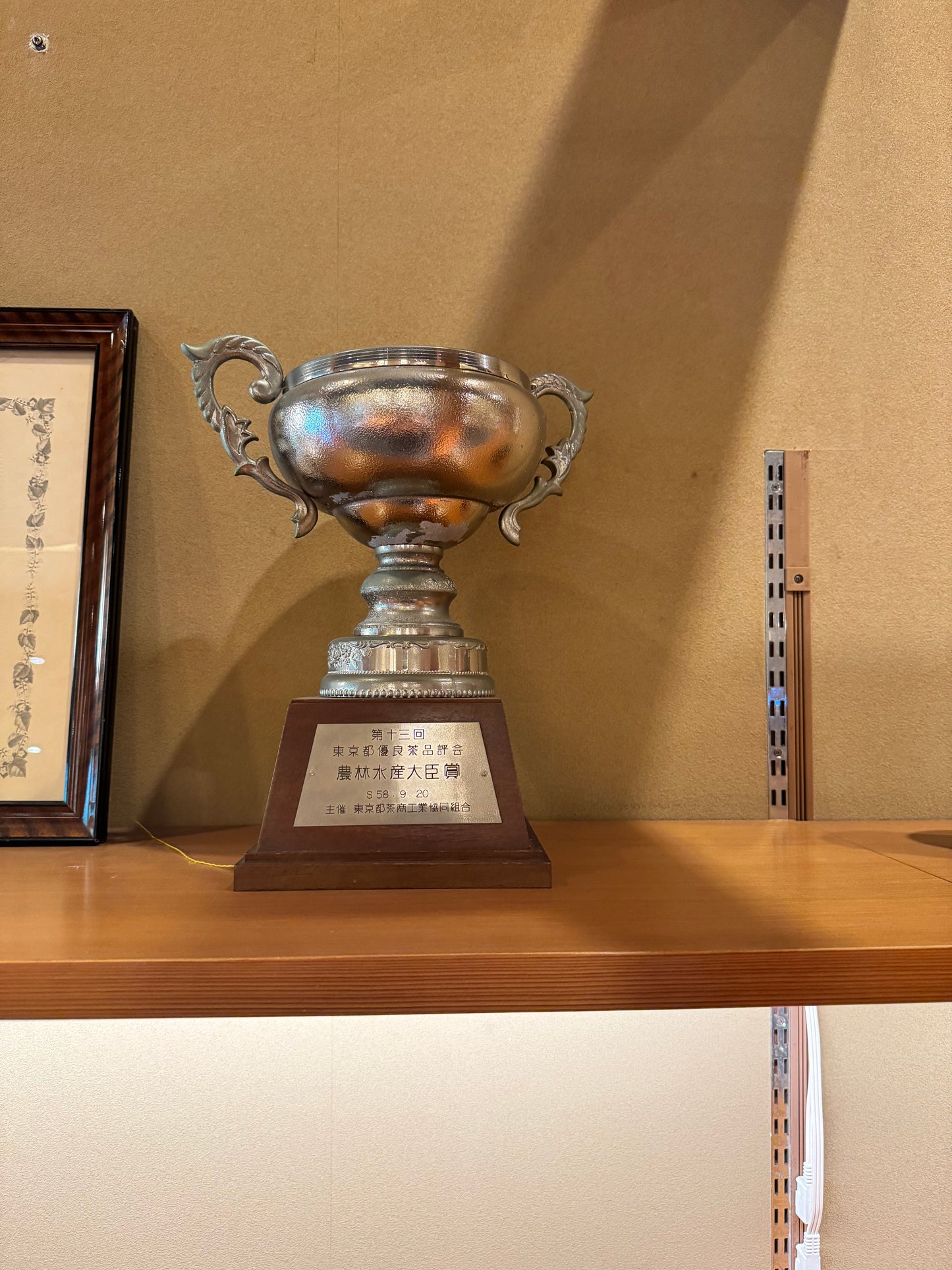
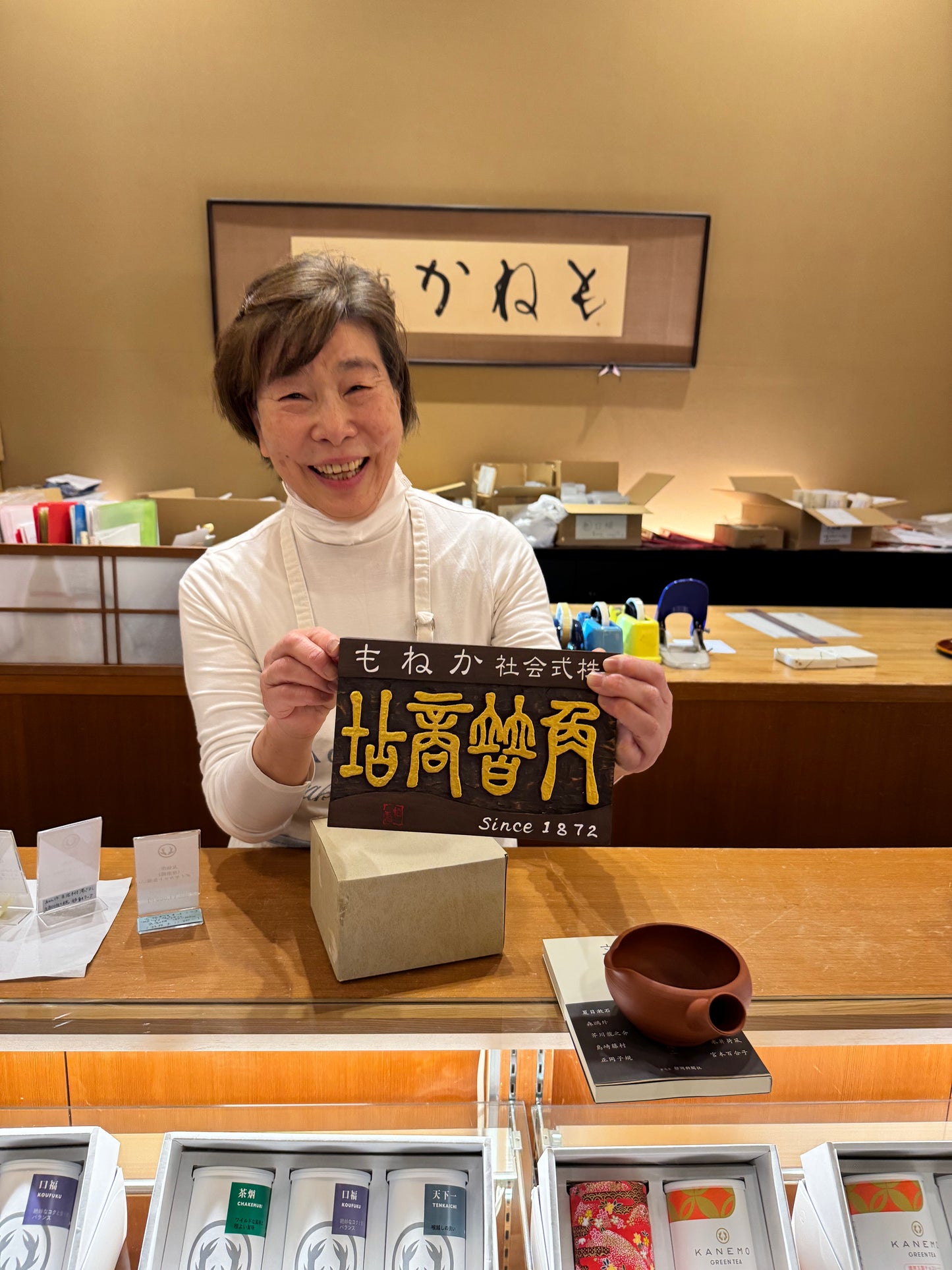
For four generations (since 1872) the かねも family has kept the ancient Chagusaba tea-grass ritual alive—laying wild pampas over their rows so the soil stays sweet and the leaves glow emerald. This ancient Chagusaba method is so rare it’s protected by the UN’s Globally Important Agricultural Heritage System program, and it now survives on fewer than a dozen farms.
Every sip of Shifuku (“Ultimate Happiness.”) is drinks like the meeting point between classic Shizuoka sencha and a lightly shaded gyokuro.
Aroma : Smell of steamed spinach and fresh-cut lawn
Taste : savory—like a light vegetable broth
Because every tin is a vote for tradition over automation, for regenerative farming over chemical shortcuts, and for a Japanese tea culture that’s quietly slipping away.
Take home Shifuku and help keep the story pouring for the Japanese heritage culture
Share

Blog posts
View all-
How to Tell If Your Tea is Good Quality | Tea G...
How to Tell If Your Tea Is Actually Good Quality (And Why Most People Can't) You're standing in a tea shop in Zurich. Two green teas. One costs CHF 15....
How to Tell If Your Tea is Good Quality | Tea G...
How to Tell If Your Tea Is Actually Good Quality (And Why Most People Can't) You're standing in a tea shop in Zurich. Two green teas. One costs CHF 15....
-
Understanding Matcha Cultivars: Yabukita, Okumi...
Matcha cultivars such as Yabukita, Okumidori, and Samidori define the flavor, aroma, and texture of authentic Japanese matcha. Each cultivar—essentially a tea plant variety—has unique genetic characteristics shaped by region,...
Understanding Matcha Cultivars: Yabukita, Okumi...
Matcha cultivars such as Yabukita, Okumidori, and Samidori define the flavor, aroma, and texture of authentic Japanese matcha. Each cultivar—essentially a tea plant variety—has unique genetic characteristics shaped by region,...
-
I Don’t Know Where to Get Authentic Matcha — Zü...
Why Zürich Struggles to Find Authentic Matcha If you’ve searched “where to buy real matcha in Zürich” and ended up disappointed, you’re not alone. Most cafés serve culinary-grade powder intended...
I Don’t Know Where to Get Authentic Matcha — Zü...
Why Zürich Struggles to Find Authentic Matcha If you’ve searched “where to buy real matcha in Zürich” and ended up disappointed, you’re not alone. Most cafés serve culinary-grade powder intended...