
-
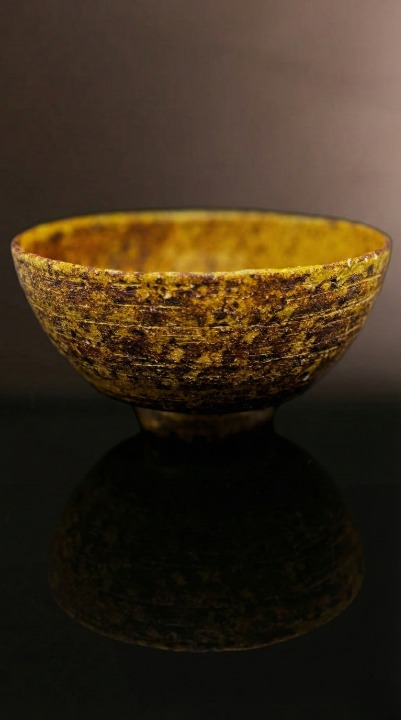
Bol à matcha coréen Chawan par Maître Na Yong Hwan – Céramique coréenne traditionnelle unique en son genre
UN BOL QUI PORTE L'HÉRITAGE CORÉEN Ce bol à matcha coréen (Chawan) est façonné par le Maître potier Na Yong Hwan, un ...
€439,95 -
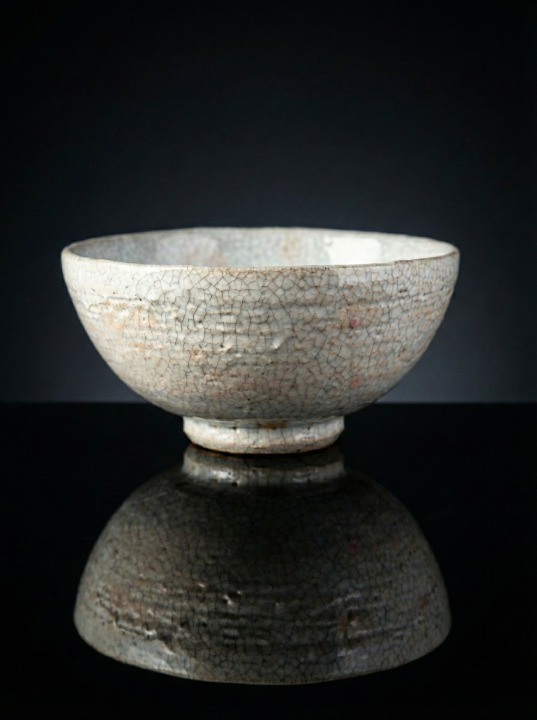
Bol à Matcha Coréen Chawan – Glaçure craquelée blanche, pièce unique en grès faite à la main
UN BOL PORTEUR DE L'HÉRITAGE CORÉEN Ce Chawan du patrimoine coréen est un bol à thé unique fait à la main, créé grâce...
€241,95 -
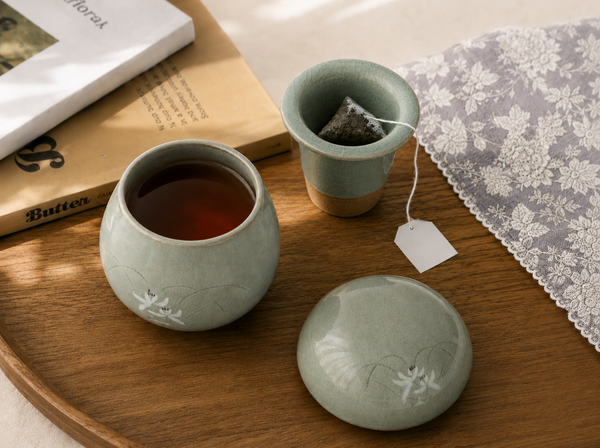
Service à thé individuel Orchid Celadon – Céramique traditionnelle coréenne
✦ Fabriqué par Doseong — maître coréen du céladon, perpétuant une tradition de plus de 1 000 ans. Arrêtez d'offrir d...
€71,95 -
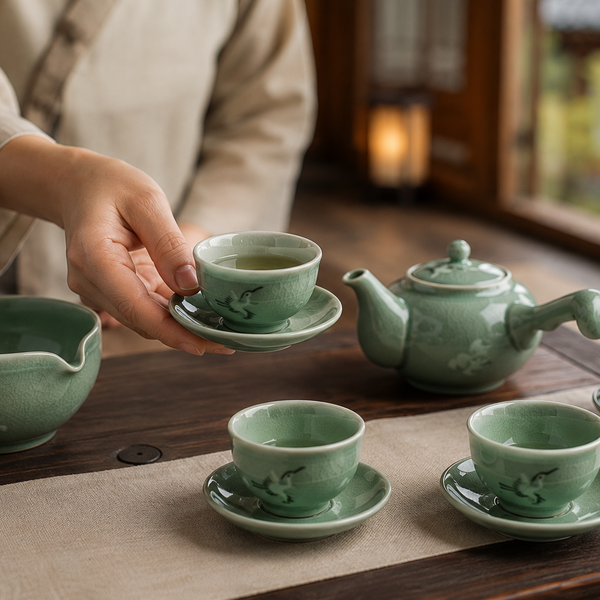
Service à thé coréen Nuage céladon et Grue – Théière, bol à eau et tasses faits à la main
Si vous aimez la culture coréenne, vous connaissez la différence entre quelque chose de style coréen et quelque chose...
€159,95 -
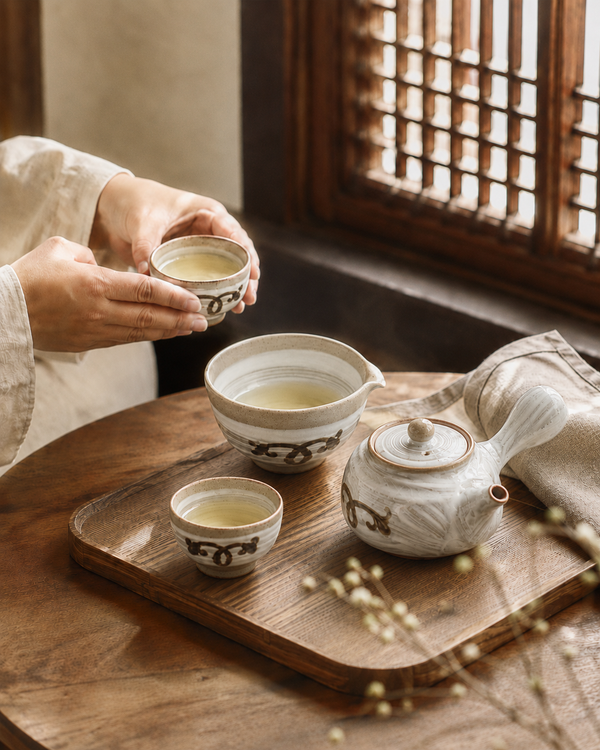
Service à thé 3 personnes Buncheong Fer Orchidée | Vaisselle de thé traditionnelle coréenne
Pour une réunion mémorable. La plupart des cadeaux d'hôtes sont oubliés le lendemain. Un service à thé Buncheong po...
€274,95 -
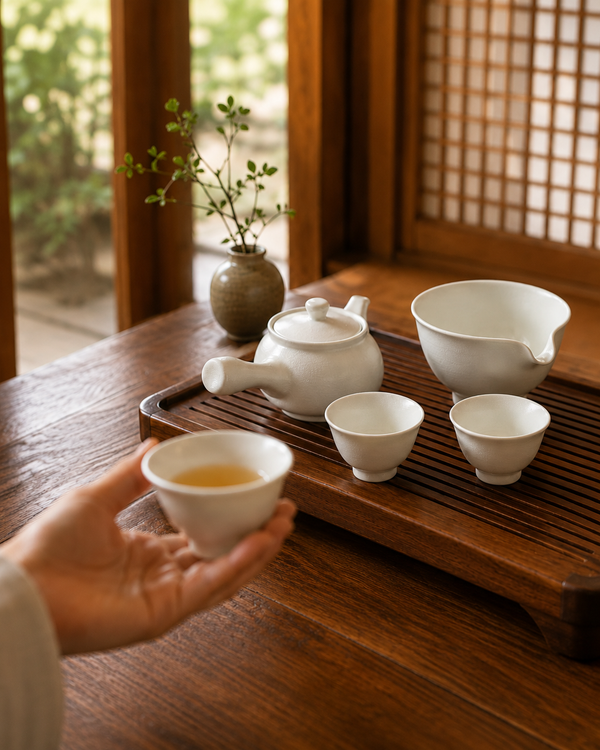
Service à thé en porcelaine blanche coréenne Baekja, 3 personnes
Ce service à thé coréen en porcelaine blanche Baekja est fabriqué individuellement à la main à Yeoju et Icheon, appor...
€164,95 -
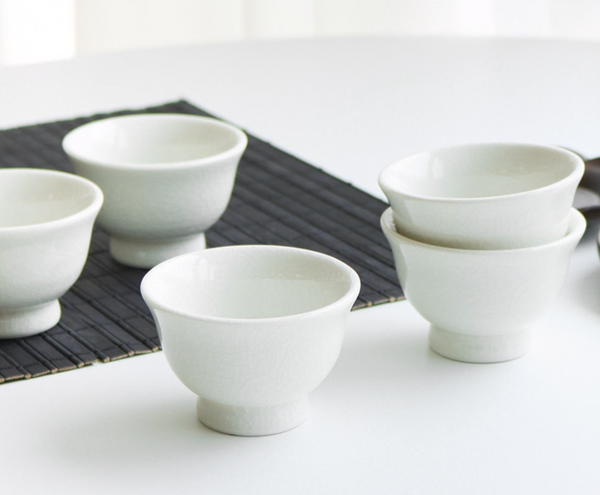
Ensemble de tasses à thé traditionnelles coréennes – Tasses en céramique fabriquées à la main pour le rituel quotidien et la culture du thé moderne
Si vous aimez le thé — ou si vous cherchez un cadeau pour quelqu'un qui l'aime — vous connaissez ce sentiment : le th...
€44,95 -
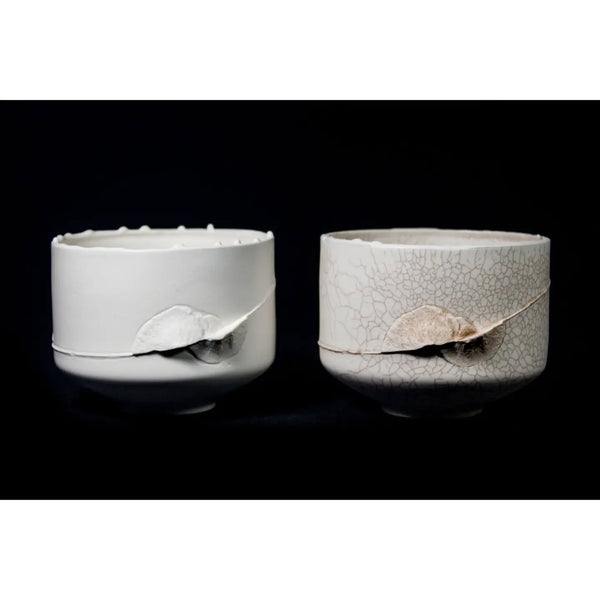
Chef-d'œuvre intemporel du matcha coréen – Ensemble bol Cha-Sim et support Chasen
✨ Description du produit : L'art du Cha-sim (차심) est l'évolution de la céramique artisanale qui se transforme ...
€1.099,95 -
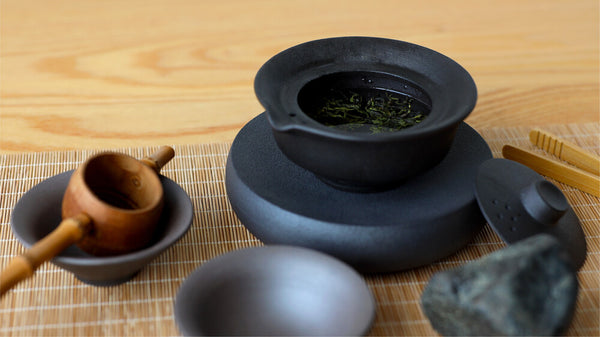
Service à thé coréen en céramique fait main avec théière et 2 tasses
Ce service à thé coréen en céramique fait main apporte un savoir-faire artistique traditionnel à votre rituel quotidi...
€219,95 -
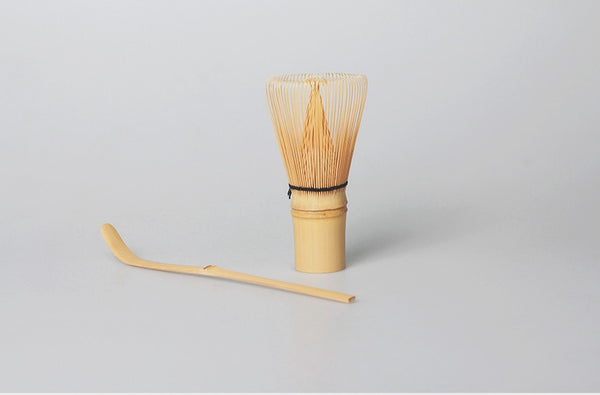
Kit d'ustensiles traditionnels pour le matcha (Chasen et Chashaku)
Cet ensemble d'ustensiles à matcha réunit les essentiels d'un rituel du thé raffiné : le chasen (fouet à matcha) et ...
€27,95 -
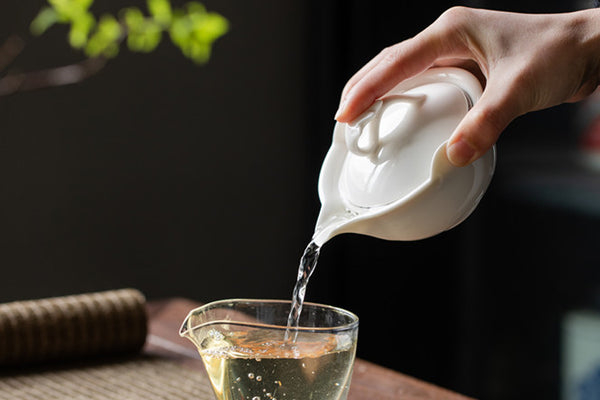
Théière authentique en porcelaine blanche ivoire avec infuseur en acier inoxydable - 150 cc
Caractéristiques: Porcelaine de haute qualité : Fabriquée à partir de la meilleure porcelaine blanche ivoire...
€110,95 -
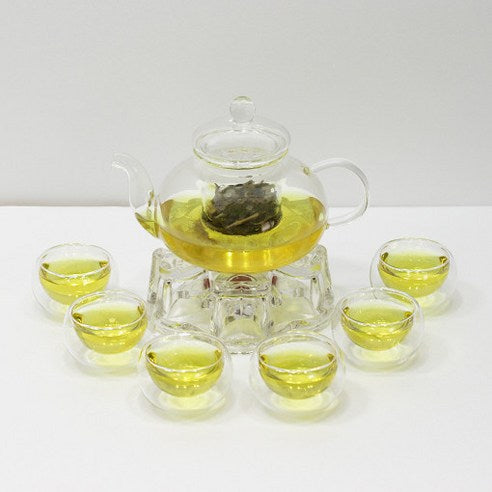
Ensemble de théière en verre résistant à la chaleur (verres de 600 ml et 6 pièces)
€54,95
Articles de blog
Tout afficher-

Why Korean Green Tea Is So Rare: Korean Tea Gra...
Why is handmade Korean green tea so rare? Learn how Gogu, Ujeon, Sejak, Jungjak and Daejak connect to a short spring harvest, hand-picking and artisan tea making.
Why Korean Green Tea Is So Rare: Korean Tea Gra...
Why is handmade Korean green tea so rare? Learn how Gogu, Ujeon, Sejak, Jungjak and Daejak connect to a short spring harvest, hand-picking and artisan tea making.
-

Wagashi et Matcha : L'équilibre parfait entre d...
Les wagashi et le matcha ne sont pas simplement servis ensemble parce qu'ils sont tous deux japonais. Leur douceur, leur amertume, leur texture et leurs qualités visuelles sont conçues pour...
Wagashi et Matcha : L'équilibre parfait entre d...
Les wagashi et le matcha ne sont pas simplement servis ensemble parce qu'ils sont tous deux japonais. Leur douceur, leur amertume, leur texture et leurs qualités visuelles sont conçues pour...

